Get Started with M2S Group!
We are a global platform connecting institutions, employers, students, job seekers, and recruitment partners.
Join Us Today:
Get in touch with us!
Jobs in Bulgaria – Work Permit, Visa, Salary & Hiring Guide
Bulgaria is a European Union member state situated in Southeastern Europe on the Black Sea coast, bordering Romania, Serbia, North Macedonia, Greece, and Turkey. A full EU and Schengen Area member, Bulgaria combines a growing and diversified economy with some of the lowest operating costs and living expenses in the entire European Union. For international workers, this creates a uniquely attractive proposition — access to an EU-standard job market with a cost of living significantly below that of Western Europe.
Bulgaria is facing a critical and well-documented labour shortage, among the most acute in Eastern Europe. According to Bulgaria's Employment Agency, over 262,000 workers are needed across key sectors, with 25–30% of all Bulgarian employers reporting a shortage of qualified staff. Over 36,000 work permits were issued to foreign nationals in the most recently reported period — workers from 79 countries — and the government subsequently increased the permit quota by approximately 20% to address critical gaps in hospitality, construction, transport, and healthcare.
According to the National Statistical Institute of Bulgaria, the average gross monthly salary in the third quarter of the most recent reporting period reached BGN 2,549 — approximately €1,303 — reflecting year-on-year wage growth of 12%. The minimum wage is BGN 1,077 per month — approximately €551 — as set by the government.
This guide covers everything you need to know about jobs in Bulgaria — including 40 verified shortage occupations with salary data, and a complete, accurate guide to the Single Permit, EU Blue Card, Type D visa, and residence process based exclusively on official Bulgarian government sources. Whether you are a job seeker, an employer, or a recruitment agency, Moving2Europe.eu is here to connect you with verified opportunities across Bulgaria and the wider European region.
Europe Job Market Overview
Europe is experiencing a structural and sustained labour shortage driven by ageing populations, declining birth rates, and economic growth that domestic workforces alone cannot support. Bulgaria is one of the most acutely affected countries in the European Union, facing both a rapidly ageing population and a significant, ongoing outflow of young, skilled workers to Western Europe in search of higher wages.
The Bulgarian government has responded by significantly expanding the work permit quota for foreign nationals, streamlining the Single Permit process, introducing a new Digital Nomad Residence Permit, and actively pursuing international recruitment partnerships to attract workers from Asia, Central Asia, and the Western Balkans.
For international job seekers, Bulgaria offers a structured, EU-standard immigration pathway into a growing economy with rising wages, very low living costs, and year-round employment across IT, construction, healthcare, tourism, manufacturing, and agriculture. For employers, Bulgaria's active government recruitment policy provides growing support for international hiring. For recruitment agencies, it represents a stable, expanding market backed by direct government demand for international workers.
Jobs in Bulgaria – Market Overview
Bulgaria's economy is growing steadily, driven by a strong IT and outsourcing sector, expanding manufacturing and automotive supply chains, a booming tourism industry anchored by the Black Sea coast and ski resorts, and sustained construction and infrastructure investment funded in part by EU structural funds.
Key industries actively hiring international workers in Bulgaria include:
Information Technology and Digital Services: Bulgaria is one of Eastern Europe's most established IT outsourcing destinations, with Sofia developing into a significant regional technology hub. Software developers, DevOps engineers, cybersecurity specialists, data scientists, and QA engineers are consistently among the most urgently needed professionals in the country.
Construction and Infrastructure: Bulgaria's construction sector grew by 6.1% year on year in the most recent National Statistical Institute reporting period — the second highest growth rate across all sectors. Welders, electricians, plumbers, bricklayers, painters, and scaffolders are all in acute shortage across all regions.
Tourism and Hospitality: Bulgaria's tourism industry generates enormous seasonal demand for chefs, hotel managers, servers, housekeeping staff, and resort workers, particularly along the Black Sea coast in summer and in ski resort areas such as Bansko and Borovets in winter. Tourism-related vacancies account for up to 30% of all job vacancies during peak seasons.
Healthcare and Social Care: Bulgaria has a permanent and well-documented shortage of medical specialists, particularly in smaller regional hospitals. Nurses, doctors, pharmacists, physiotherapists, and caregivers are in consistent demand, a trend exacerbated by the emigration of healthcare professionals to Western Europe.
Manufacturing and Industry: Bulgaria's manufacturing sector — including food processing, woodworking, garment and textile production, automotive components, and electronics assembly — consistently faces shortages of machine operators, production workers, tailors, and maintenance technicians.
Agriculture: Fruit and vegetable pickers, vineyard workers, and livestock farm operatives are in significant seasonal demand across Bulgaria's agricultural regions, particularly in the south and in the Plovdiv and Stara Zagora areas.
Transport and Logistics: Truck drivers, bus drivers, forklift operators, and warehouse operatives are in consistent demand, driven by Bulgaria's growing role as a logistics corridor between Western Europe and the Middle East.
Top Cities for Jobs in Bulgaria
Jobs in Sofia
Sofia is Bulgaria's capital and its dominant economic and employment centre. The city offers the highest salaries in the country — typically 30–50% above the national average — and the widest range of employment for both blue-collar and white-collar international workers. Sofia is home to Bulgaria's most significant concentration of IT companies, multinational shared service centres, financial institutions, and manufacturing operations.
IT professionals in Sofia earn BGN 3,000–8,000 or more per month gross. Engineers earn BGN 2,500–5,000. Healthcare professionals earn BGN 2,500–6,000 depending on specialisation and experience.
Jobs in Plovdiv
Plovdiv is Bulgaria's second-largest city and the economic capital of the country's largest industrial zone. The city hosts a high concentration of foreign-owned light- and heavy-industry operations, automotive component manufacturers, and food-processing facilities. Plovdiv generates consistent demand for machine operators, production workers, welders, electricians, and manufacturing engineers. The city has seen significant hiring growth in recent years, making it the second-most active job market in the country after Sofia.
Jobs in Varna and Burgas
Varna and Burgas are Bulgaria's primary Black Sea coastal cities, generating enormous seasonal demand for hospitality, tourism, and resort workers during summer. Both cities also offer year-round employment in logistics, transport, trade, and manufacturing. Varna, as the country's third-largest city, has a significant IT and business services sector. Burgas is an important port and industrial hub with consistent demand in logistics, warehousing, and light industry.
Job Opportunities in Bulgaria
Blue-Collar Jobs in Demand in Bulgaria
The following 20 blue-collar roles represent Bulgaria's most critical shortage occupations, based on verified data from the National Statistical Institute, the Bulgarian Employment Agency, and the European Labour Authority. Bulgarian employers actively recruit all 20, and there are documented labour shortages across multiple regions.
| Job Title | Skills / Qualifications Required | Average Monthly Salary (BGN) | Top Hiring Cities |
|---|---|---|---|
| Welder (MIG/TIG/MAG/MMA) | Certified welding qualification, minimum 2 years of experience | BGN 1,800 – 3,200 | Sofia, Plovdiv, Varna, Burgas |
| Electrician | Vocational electrical qualification, installation and safety certification | BGN 2,000 – 3,500 | Sofia, Plovdiv, Varna |
| Plumber / Pipefitter | Vocational plumbing qualification, minimum 2 years of experience | BGN 1,800 – 3,200 | Sofia, Plovdiv, Varna |
| Bricklayer / Mason | Vocational masonry qualification or minimum 3 years of site experience | BGN 1,700 – 3,000 | Sofia, Plovdiv, Varna |
| Carpenter / Joiner | Vocational carpentry qualification, hand and power tool skills | BGN 1,600 – 2,800 | Sofia, Plovdiv, Varna |
| Truck Driver (Category C/CE) | Category C/CE licence, clean driving record, ADR certificate preferred | BGN 2,000 – 3,500 | Sofia, Plovdiv, Varna, Burgas |
| Construction Labourer | Physical fitness, basic site experience, safety awareness | BGN 1,300 – 2,400 | Sofia, Plovdiv, Varna |
| Painter and Decorator | Vocational painting qualification or minimum 2 years of experience | BGN 1,500 – 2,800 | Sofia, Plovdiv, Varna |
| Scaffolder | Scaffolding certification, physical fitness, and construction site experience | BGN 1,600 – 2,900 | Sofia, Plovdiv, Varna |
| Chef / Cook | Culinary qualification or minimum 3 years of kitchen experience, food hygiene certificate | BGN 1,600 – 3,000 | Varna, Burgas, Sofia, Bansko |
| Waiter / Restaurant Server | Hospitality training or minimum 2 years front-of-house experience, basic English | BGN 1,200 – 2,400 | Varna, Burgas, Bansko, Sofia |
| Hotel Housekeeper / Room Attendant | Attention to detail, hygiene standards knowledge, and basic English | BGN 1,100 – 2,000 | Varna, Burgas, Bansko |
| Factory / Production Line Worker | Physical stamina, basic technical aptitude, production line experience | BGN 1,300 – 2,200 | Plovdiv, Sofia, Stara Zagora |
| Garment / Textile Worker | Sewing machine operation experience, pattern following, and quality awareness | BGN 1,100 – 2,000 | Plovdiv, Sofia, Gabrovo |
| Forklift Operator | Valid forklift operator licence, warehouse or logistics experience | BGN 1,500 – 2,600 | Sofia, Plovdiv, Varna, Burgas |
| Warehouse Operative | Physical fitness, inventory management awareness, and attention to detail | BGN 1,300 – 2,300 | Sofia, Plovdiv, Varna, Burgas |
| Agricultural Worker | Physical fitness, crop, harvest, or vineyard experience, seasonal availability | BGN 1,100 – 1,900 | Plovdiv, Stara Zagora, Varna regions |
| Bus / Coach Driver | Category D licence, passenger transport experience, clean driving record | BGN 1,800 – 3,200 | Sofia, Plovdiv, Varna, Burgas |
| Food Processing Worker | Food hygiene awareness, physical stamina, and production line experience | BGN 1,300 – 2,200 | Plovdiv, Sofia, Stara Zagora |
| Woodworking / Furniture Production Worker | Vocational woodworking qualification, machining and assembly experience | BGN 1,300 – 2,200 | Sofia, Gabrovo, Plovdiv |
Register as a Truck Driver → Browse Welder Opportunities →
White-Collar Jobs in Demand in Bulgaria
The following 20 white-collar roles represent Bulgaria's most critical shortage occupations in professional and skilled sectors, based on verified data from the National Statistical Institute and the Bulgarian Employment Agency.
| Job Title | Skills / Qualifications Required | Average Monthly Salary (BGN) | Top Hiring Cities |
|---|---|---|---|
| Software Developer / Engineer | Degree or equivalent, proficiency in Java, Python, .NET, or JavaScript | BGN 3,500 – 8,000+ | Sofia, Plovdiv, Varna |
| DevOps / Cloud Engineer | Cloud platform experience (AWS/Azure/GCP), CI/CD pipelines, infrastructure-as-code skills | BGN 4,000 – 9,000 | Sofia, Plovdiv |
| Cybersecurity Specialist | IT security degree or certification, threat detection and systems protection experience | BGN 4,000 – 8,000 | Sofia |
| Data Scientist / AI Engineer | Degree in mathematics, IT, or statistics, proficiency in Python and ML frameworks | BGN 4,000 – 8,500 | Sofia, Plovdiv |
| QA Engineer / Test Analyst | IT qualification, software testing tools experience, ISTQB certification preferred | BGN 2,500 – 5,500 | Sofia, Plovdiv, Varna |
| Civil / Construction Engineer | Degree in civil engineering, infrastructure or building project experience | BGN 2,500 – 5,000 | Sofia, Plovdiv, Varna |
| Mechanical Engineer | Degree in mechanical engineering, manufacturing or industrial plant experience | BGN 2,500 – 5,000 | Plovdiv, Sofia, Stara Zagora |
| Electrical Engineer | Degree in electrical engineering, power systems or industrial automation experience | BGN 2,500 – 5,500 | Sofia, Plovdiv, Varna |
| Doctor / Medical Specialist | Medical degree, valid specialisation certificate, Bulgarian or EU-recognised licence | BGN 3,500 – 9,000+ | Sofia, Plovdiv, Varna, regional hospitals |
| Registered Nurse | Recognised nursing degree or diploma, valid professional registration, and clinical experience | BGN 2,000 – 4,000 | Sofia, Plovdiv, Varna, regional hospitals |
| Pharmacist | Pharmacy degree, valid professional registration, and knowledge of pharmaceutical regulations | BGN 2,500 – 4,500 | Sofia, Plovdiv, Varna |
| Physiotherapist | Physiotherapy degree, valid professional registration, and clinical rehabilitation experience | BGN 2,000 – 4,000 | Sofia, Plovdiv, Varna |
| Financial Analyst / Accountant | Degree in finance or accounting, experience with ERP and accounting systems | BGN 2,500 – 5,000 | Sofia |
| Project Manager (IT / Construction) | PMP, PRINCE2, or Agile certification, minimum 3 years of project management experience | BGN 3,000 – 7,000 | Sofia, Plovdiv |
| Supply Chain / Logistics Manager | Degree in logistics or business, procurement and coordination experience | BGN 2,500 – 5,000 | Sofia, Plovdiv, Varna, Burgas |
| Hotel / Resort Manager | Hospitality management degree or minimum 5 years of hotel management experience | BGN 2,500 – 5,000 | Varna, Burgas, Bansko, Sofia |
| STEM Teacher / Educator | Recognised teaching qualification, STEM subject expertise, Bulgarian or English proficiency | BGN 2,000 – 4,000 | Sofia, Plovdiv, Varna |
| Human Resources Manager | Degree in HR or business, knowledge of Bulgarian labour law and collective agreements | BGN 2,500 – 5,000 | Sofia, Plovdiv |
| Renewable Energy Engineer | Degree in energy, electrical, or environmental engineering, with solar or wind project experience | BGN 2,800 – 5,500 | Sofia, Plovdiv, Varna |
| Pharmaceutical / Biotech Specialist | Degree in pharmacy, chemistry, or biology, laboratory or pharmaceutical plant experience | BGN 3,000 – 6,500 | Sofia, Plovdiv |
Register as a Healthcare Worker → Explore All Opportunities →
Salary in Bulgaria
Bulgaria offers the lowest nominal salaries in the European Union. Still, these are paired with the lowest cost of living in the EU, creating a practical, improved standard of living. Nominal wage growth is among the strongest in Europe, with wages growing 12% year on year in the most recent reporting period by the National Statistical Institute.
According to the National Statistical Institute of Bulgaria, the average gross monthly salary in the third quarter of the most recent reporting period was BGN 2,549 — approximately €1,303. The minimum wage is BGN 1,077 per month — approximately €551. The IT sector offers the highest salaries in the country, with senior software engineers earning BGN 6,000–15,000 or more gross per month. Sofia's salaries are consistently 30–50% above the national average.
| Sector | Role | Average Monthly Salary (BGN) |
|---|---|---|
| Information Technology | Software Developer | BGN 3,500 – 8,000+ |
| Information Technology | DevOps / Cloud Engineer | BGN 4,000 – 9,000 |
| Healthcare | Registered Nurse | BGN 2,000 – 4,000 |
| Healthcare | Doctor / Specialist | BGN 3,500 – 9,000+ |
| Construction and Trades | Welder | BGN 1,800 – 3,200 |
| Construction and Trades | Electrician | BGN 2,000 – 3,500 |
| Construction and Trades | Civil / Construction Engineer | BGN 2,500 – 5,000 |
| Transport and Logistics | Truck Driver (C/CE) | BGN 2,000 – 3,500 |
| Transport and Logistics | Logistics Manager | BGN 2,500 – 5,000 |
| Manufacturing | Machine Operator / Production Worker | BGN 1,300 – 2,200 |
| Tourism and Hospitality | Chef / Cook | BGN 1,600 – 3,000 |
| Finance | Financial Analyst / Accountant | BGN 2,500 – 5,000 |
Work Permit Process in Bulgaria
Bulgaria's work permit system for non-EU nationals is managed jointly by the Bulgarian National Employment Agency and the Migration Directorate of the Ministry of Interior. All official information is published on the Employment Agency's official portal and the Migration Directorate's official website, mvr.bg. Bulgaria became a full member of the Schengen Area on 1 January 2025.
Types of Permits for International Workers
- Single Residence and Work Permit: The primary combined work and residence permit for non-EU nationals employed by Bulgarian employers. Valid for up to one year, renewable annually, with the possibility of long-term residence after five years. The employer must pass a labour market test before applying. A quota applies: up to 10% of a company's workforce may hold Single Permits.
- EU Blue Card: For highly qualified professionals with a recognised university degree and a job offer with a minimum gross salary of BGN 2,400 per month — at least 1.5 times the national average. No quota restriction. No labour market test required. Valid for 4 to 5 years. The employer quota does not apply.
- Seasonal Work Permit: For employment in tourism, agriculture, or hospitality for up to nine months per calendar year.
- Intra-Corporate Transfer Permit: For senior managers or specialists transferred within multinational company groups.
- Freelance / Self-Employment Permit: For independent professionals with a business plan, at least two years of professional experience, and proof of financial stability.
Key Update — From 1 July 2025: Single Permit holders must now be enrolled in Bulgaria's state statutory health insurance under the same conditions as EU Blue Card holders.
Step-by-Step Work Permit and Visa Process
Step 1 – Secure a Confirmed Employment Contract. The process begins with a formal, signed employment contract from a legally registered Bulgarian employer. The employer is responsible for initiating the application. EU, EEA, and Swiss citizens may work freely in Bulgaria without any permit.
Step 2 – Employer Conducts the Labour Market Test. For the Single Permit route, the employer must demonstrate to the Bulgarian National Employment Agency that no suitable Bulgarian or EU candidate is available for the role. This labour market test must be completed before the permit application is submitted. No labour market test is required for EU Blue Card applications.
Step 3 – Employer Submits the Application to the Migration Directorate. The employer submits the application for the Single Residence and Work Permit to the Migration Directorate of the Ministry of Interior. The Migration Directorate forwards the file to the Bulgarian National Employment Agency for the labour market opinion, and to the State Agency for National Security for confirmation. Plan for up to 15 days for the Employment Agency opinion and approximately two months for the Single Permit decision. The EU Blue Card process takes approximately three months.
Step 4 – Positive Decision and Visa D Application. After a positive decision, the Migration Directorate informs the employer and notifies the relevant consular services. The worker then has up to 20 days to apply for a Type D long-stay visa at the Bulgarian embassy or consulate in their home country. The applicant must attend a personal interview and provide travel medical insurance of at least €30,000 minimum coverage. Visa processing takes approximately 14 days. Note: From 2025, the EU Blue Card visa window has been extended to 30 days.
Step 5 – Diploma Recognition via NACID. From 2025, all foreign academic qualifications used in a permit application must be formally recognised by the National Centre for Information and Documentation (NACID). Begin this process immediately upon signing the employment offer, as it can take several weeks.
Step 6 – Travel to Bulgaria and Complete Residence Registration. Travel to Bulgaria on the Type D visa. Within 14 days of entry, submit your passport and valid Bulgarian health insurance (valid for at least three months) to the Migration Directorate. The Single Residence and Work Permit card will be printed after all post-entry documents have been accepted, and the issuance fee has been paid.
Step 7 – Register Your Address Register your residential address with the local authorities within the legal timeframe after arrival.
Employers ready to begin the international hiring process can register here →
Work Visa Process in Bulgaria
Non-EU nationals who require a visa must apply for a long-stay Type D work visa at the Bulgarian embassy or consulate in their home country after the Migration Directorate has issued a positive decision on the work permit application. Bulgaria is a full member of the Schengen Area — all Type C short-stay visas issued by Bulgaria are Schengen visas. Full visa information is available on the Ministry of Foreign Affairs of Bulgaria's website at mfa.bg.
Step 1 – Confirm Visa Requirements for Your Nationality. Visit mfa.bg to confirm whether your nationality requires a Type D visa to enter Bulgaria for employment purposes. Some nationalities may enter Bulgaria visa-free for short stays but require a Type D visa for long-term employment.
Step 2 – Receive the Positive Work Permit Decision. The Type D visa can only be applied for after the Migration Directorate has issued the positive work permit decision and notified the consular services. Confirm with your employer that this has happened before visiting the embassy.
Step 3 – Gather All Required Documents. Prepare your complete visa application file, including a valid passport, completed visa application form, passport photographs, the work permit decision, proof of accommodation, medical insurance with minimum coverage of €30,000, proof of sufficient funds, and all supporting employment documents.
Step 4 – Attend the Personal Interview at the Bulgarian Embassy.y A personal interview is required for all Type D work visa applications in Bulgaria. Book your appointment as early as possible. Bring all required documents and be prepared to answer questions about your employment and intended stay.
Step 5 – Processing Takes Approximately 14 days. ys The Bulgarian embassy typically processes the Type D visa within approximately 14 days. The embassy will retain your passport during processing.
Step 6 – Travel to Bulgaria and Submit Post-Entry Documentation.nts Travel to Bulgaria on the Type D visa. Within 14 days of entry, submit your passport and Bulgarian health insurance to the Migration Directorate to complete the Single Permit issuance process.
Embassy Guidance
Use the Official Migration Directorate Website: All residence permit information, required documents, and procedural guidance are published on the Migration Directorate of the Ministry of Interior's website at mvr.bg. This is the authoritative source for all residence-related matters.
Use the Official Ministry of Foreign Affairs Website for Visa Information: Visa requirements, fees, embassy locations, and Type D visa information are available on mfa.bg.
NACID must recognise all Foreign Academic Qualifications: From 2025, all foreign degrees used in a Bulgarian work permit application must be formally recognised by the National Centre for Information and Documentation. Begin this process as soon as the employment offer is signed.
Apply for the Type D Visa Within 20 Days of the Positive Decision: The worker has 20 days from the date of the positive permit decision notification to apply for the Type D visa. For EU Blue Card applications, this window is 30 days. Do not delay booking the embassy appointment.
Bring proof of medical insurance with at least €30,000 in coverage to the Visa Interview. This is a mandatory requirement for the Type D visa application. Ensure the insurance policy is valid and covers at least three months from the intended date of arrival.
Single Permit Holders Must Be Enrolled in State Health Insurance From 1 July 2025: Employers must enrol Single Permit holders in Bulgaria's state statutory health insurance from 1 July 2025. Ensure your employer confirms this before your employment begins.
Required Documents
The following documents are required for a Bulgarian Single Permit application and a Type D work visa, in accordance with the official requirements of the Migration Directorate and the National Employment Agency.
| # | Document | Details |
|---|---|---|
| 1 | Valid Passport | Must be valid for the full duration of the intended stay. |
| 2 | Signed Employment Contract | Confirming role, salary, working conditions, and contract duration. Must comply with Bulgarian labour law. |
| 3 | Employer Company Registration Documents | Confirming legal registration, tax compliance, and social security compliance. |
| 4 | Labour Market Test Certificate | Positive opinion from the Bulgarian National Employment Agency confirming that no suitable local candidate was available. Not required for EU Blue Card. |
| 5 | Proof of Professional Qualifications | Degree certificates, vocational qualifications, or professional licences. NACID must formally recognise foreign degrees as of 2025. |
| 6 | Police Clearance Certificate | Clean criminal record certificate from the worker's home country and any country of significant previous residence. |
| 7 | Proof of Accommodation | Confirmed rental agreement or confirmed address in Bulgaria. |
| 8 | Medical Insurance | Minimum coverage of €30,000 required for the Type D visa application. Bulgarian health insurance valid for at least 3 months is required upon arrival. |
| 9 | Completed Type D Visa Application Form | Available from the Bulgarian embassy or consulate in your home country. |
| 10 | Passport-Sized Photographs | Meeting the Bulgarian embassy photograph specifications. |
| 11 | Proof of Sufficient Funds | Evidence of financial stability for the duration of the intended stay. |
| 12 | Work Permit Positive Decision | Issued by the Migration Directorate. Required for the Type D visa application and for completing the residence registration after arrival. |
Always verify current requirements at mvr.bg and mfa.bg, and with the Bulgarian embassy in your country before submitting.
How to Avoid Rejection
Failure to Complete the Labour Market Test: The labour market test must be completed and a positive opinion obtained from the Bulgarian National Employment Agency before the Single Permit application is submitted. Skipping or rushing this step leads to rejection.
Foreign Degree Not Recognised by NACID: From 2025, all foreign academic qualifications used in a Bulgarian work permit application must be formally recognised by the National Centre for Information and Documentation. Submit the NACID application immediately upon signing the employment offer.
Employer Workforce Quota Exceeded: The Single Permit route is subject to a 10% employer workforce quota for non-EU permit holders. If the employer is close to this limit, the application will be refused. Confirm the quota position with the employer before initiating the process.
Failure to Apply for the Type D Visa Within the Required Window: The worker must apply for the Type D visa within 20 days of the positive permit decision (30 days for the EU Blue Card). Missing this window invalidates the decision.
Insufficient Medical Insurance Coverage: The Type D visa application requires travel medical insurance with a minimum coverage of €30,000. Policies with lower coverage will be refused.
Single Permit Holder Not Enrolled in State Health Insurance: From 1 July 2025, employers must enrol Single Permit holders in Bulgaria's state statutory health insurance. Failure to do so creates a compliance violation.
Working Before the Residence Card Is Issued: Work may only begin after the Single Permit residence card has been printed and issued. Working before receiving the card is a legal violation.
Hiring Foreign Workers in Bulgaria
Bulgaria's labour market urgently needs international workers. With over 262,000 positions to fill and the government actively expanding work permit quotas, employers who build structured international hiring pipelines gain an immediate and lasting competitive advantage.
Why Hire International Workers in Bulgaria? Bulgaria's domestic workforce cannot meet demand in construction, hospitality, manufacturing, healthcare, and agriculture. The government has responded by increasing quotas, streamlining processes, and introducing new permit categories. International workers are increasingly relied upon across every major sector of the Bulgarian economy.
How to Begin the Hiring Process
Step 1 – Register as an Employer on Moving2Europe.eu Create your employer profile, specify your sector, required roles, and workforce needs. Register as an Employer →
Step 2 – Confirm Quota Availability Check whether your company's current workforce is within the 10% quota limit for Single Permit holders. If the role qualifies for the EU Blue Card, the quota does not apply.
Step 3 – Conduct the Labour Market Test. Submit a vacancy notification to the Bulgarian National Employment Agency and obtain a positive labour market test opinion before submitting the permit application.
Step 4 – Submit the Application to the Migration Directorate.e Submit the complete Single Permit or EU Blue Card application to the Migration Directorate. The file will be assessed simultaneously by the Employment Agency and the State Agency for National Security.
Step 5 – Support the Visa and Post-Entry Process. Once the positive decision is issued, inform the worker immediately so they can apply for the Type D visa within the required window. After arrival, assist with residence registration and ensure state health insurance enrolment is completed.
How Job Seekers Can Apply
Step 1 – Confirm Your Eligibility.y Check visa requirements for your nationality at mfa.bg and confirm whether your role qualifies for the EU Blue Card route, which has no quota restriction.
Step 2 – Begin NACID Diploma Recognition. Submit your foreign academic qualifications to NACID for formal recognition as soon as the employment offer is signed. This process can take several weeks and must be completed before the permit application is submitted.
Step 3 – Register on Moving2Europe.eu
- Register as a Truck Driver →
- Register as a Welder →
- Register as a Healthcare Worker →
- Explore All Opportunities →
Step 4 – Apply for Available Positions Browse verified job listings and apply to positions that match your qualifications and experience.
Step 5 – Your Employer Submits the Permit Application Once you have a confirmed employment contract, your employer submits the Single Permit or EU Blue Card application to the Migration Directorate.
Step 6 – Apply for Your Type D Visa Within 20 days of the positive decision, apply for your Type D long-stay visa at the Bulgarian embassy in your home country. Attend the required personal interview.
Step 7 – Travel to Bulgaria and Complete Registration. Within 14 days of arrival, submit your passport and Bulgarian health insurance to the Migration Directorate to complete the permit card issuance process. Register your residential address with the local authorities.
Recruitment Agencies & Partnerships
Moving2Europe.eu collaborates with international recruitment agencies, workforce supply companies, and staffing partners to build a consistent, reliable pipeline of pre-screened, work-ready candidates for employers across Bulgaria and the wider European region.
For agencies operating in Asia, Africa, the Middle East, or Eastern Europe, a partnership with Moving2Europe.eu provides direct access to a growing network of verified Bulgarian employers actively seeking international talent across construction, hospitality, IT, manufacturing, and healthcare.
Why Partner with Moving2Europe.eu?
- Access to a verified network of Bulgarian employers actively hiring across all major shortage sectors
- A structured, transparent matching process that significantly reduces time-to-placement
- Compliance support aligned with Bulgaria's current Single Permit and EU Blue Card requirements
- Long-term business development opportunities as Bulgaria's work permit quota continues to expand
- A trusted, professional platform built on transparency and accountability
Register as a Recruitment Partner →
Declaration
Moving2Europe. The EU provides information on jobs, work permits, visas, and international hiring strictly for guidance purposes. We do not guarantee job placement, work permit approval, or visa issuance under any circumstances.
All applications, hiring decisions, and approvals are subject to individual employer requirements, applicable immigration laws, and the final decision of the respective country's embassy or government authorities.
Users are strongly advised to independently verify all information, ensure the accuracy of their documents, and follow official procedures before submitting any application.
Who can apply for jobs in Bulgaria as a foreign worker?
Who is eligible to work in Bulgaria and what the permit requirements mean for non-EU nationals. Non-EU and non-EEA nationals can work in Bulgaria provided their employer has obtained a valid Single Residence and Work Permit or EU Blue Card from the Migration Directorate of the Ministry of Interior, and the worker holds a long-stay Type D visa. EU, EEA, and Swiss citizens may work freely in Bulgaria without any permit. Bulgaria is a full EU and Schengen Area member. Work may only begin after the residence card has been printed and issued.- Who can apply for jobs in Bulgaria as a foreign worker?
-
Who is eligible to work in Bulgaria and what the permit requirements mean for non-EU nationals.
Non-EU and non-EEA nationals can work in Bulgaria provided their employer has obtained a valid Single Residence and Work Permit or EU Blue Card from the Migration Directorate of the Ministry of Interior, and the worker holds a long-stay Type D visa. EU, EEA, and Swiss citizens may work freely in Bulgaria without any permit. Bulgaria is a full member of the EU and the Schengen Area. Work may only begin after the residence card has been printed and issued.
- What is the Single Permit in Bulgaria?
-
Bulgaria's combined work and residence permit and the application process for non-EU nationals.
The Single Residence and Work Permit is Bulgaria's primary combined work and residence authorisation for non-EU nationals. The employer submits the application to the Migration Directorate of the Ministry of Interior, which coordinates reviews by the Bulgarian National Employment Agency and the State Agency for National Security. The permit is issued for up to one year, is renewable annually, and may lead to long-term residence after five years. A labour market test must be completed before the application is submitted. A quota applies: up to 10% of the employer's workforce may hold Single Permits.
- What is the EU Blue Card in Bulgaria, and who qualifies?
-
Bulgaria's EU Blue Card for highly qualified professionals and the salary and qualification thresholds.
The EU Blue Card is Bulgaria's combined work and residence permit for highly qualified professionals with a recognised university degree and a minimum gross monthly salary of BGN 2,400 — at least 1.5 times the national average. No labour market test is required. No employer workforce quota applies. The card is valid fo4ur t5ve years. It is the fastest and most flexible route for skilled international professionals in IT, engineering, healthcare, and finance.
- How long does it take to process a work permit in Bulgaria?
-
The processing timeline for a Single Permit or EU Blue Card application in Bulgaria.
The Bulgarian National Employment Agency typically issues its labour market opinion within 15 days. The Migration Directorate's decision takes approximately two months for the Single Permit and approximately three months for the EU Blue Card. After a positive decision, the worker has 20 days (30 days for Blue Card) to apply for the Type D visa, which is processed in approximately 14 days. Plan for a total timeline of three to four months from the start of the process to legal commencement of employment.
- What type of visa do I need to work in Bulgaria?
-
Bulgaria's long-stay Type D work visa and its connection to the permit application process.
Non-EU nationals require a long-stay Type D work visa to enter Bulgaria for employment purposes. This visa is applied for at the Bulgarian embassy or consulate in the worker's home country after the Migration Directorate has issued a positive decision on the work permit. A personal interview is required. Medical insurance with a minimum coverage of €30,000 is mandatory. Bulgaria is a full member of the Schengen Area — all Type C short-stay visas issued by Bulgaria are Schengen visas. Visa information is available at mfa.bg.
- What are the most in-demand jobs in Bulgaria for foreign workers?
-
Which roles and sectors are actively recruiting international workers in Bulgaria right now?
Bulgaria needs over 262,000 workers across key sectors. The most in-demand roles include software developers, DevOps engineers, cybersecurity specialists, doctors, nurses, welders, electricians, truck drivers, construction workers, chefs, hotel staff, machine operators, garment workers, forklift operators, agricultural workers, mechanical engineers, pharmacists, and physiotherapists. Full details, including salary ranges and hiring cities, are in the shortage occupation tables above.
- What is the average salary in Bulgaria?
-
Verified salary data from the National Statistical Institute of Bulgaria across key sectors.
According to the National Statistical Institute of Bulgaria, the average gross monthly salary reached BGN 2,549 — approximately €1,303 — in the third quarter of the most recent reporting period, reflecting 12% year-on-year growth. The minimum wage is BGN 1,077 per month — approximately €551. The IT sector is the highest-paying, with senior engineers earning BGN 6,000–15,000 or more. Sofia's salaries are consistently 30–50% above the national average. Bulgaria's very low cost of living gives international workers strong real purchasing power relative to their earnings.
- Do I need to speak Bulgarian to work in Bulgaria?
-
What language requirements apply, and where is English widely used?
Bulgarian is required for most public-facing, healthcare, education, and administration roles. English is widely used in IT, multinational business environments, tourism, and shared service centre operations — particularly in Sofia. Many manufacturing, construction, and agricultural roles require basic Bulgarian for safety and operational communication. For roles requiring formal qualifications, NACID recognition of foreign degrees is mandatory as of 2025.
- Can my family join me if I work in Bulgaria?
-
Family reunification options for Single Permit and EU Blue Card holders in Bulgaria.
Yes. Family members of Single Permit and EU Blue Card holders may apply for family reunification residence permits through the Migration Directorate at mvr.bg. Family members who wish to work must obtain their own separate work authorisation. Confirm current requirements with the Migration Directorate before applying.
- How does Moving2Europ?. Can you help job seekers find work in Bulgaria?
-
How Moving2Europe.eu connects international candidates with verified Bulgarian employers.
Moving2Europe.eu connects international job seekers with verified Bulgarian employers across construction, hospitality, IT, manufacturing, healthcare, and agriculture. Job seekers register their professional profiles, browse verified employer-sponsored opportunities, and receive structured guidance throughout the work permit, visa, and residency process.
- How can employers in Bulgaria use Moving2Europe.eu to hire international workers?
-
How Bulgarian employers can efficiently and compliantly access pre-screened international candidates.
Employers register on the platform, define their specific role requirements, and are matched with pre-screened international candidates. Moving2Europe.eu supports employers throughout the recruitment process and facilitates connections with immigration professionals familiar with Bulgaria's Single Permit and EU Blue Card requirements.
- What documents are required for a Bulgarian Single Permit application?
-
A complete checklist of all documents needed to apply successfully under Bulgaria's current rules.
Required documents include a valid passport, signed employment contract, employer company registration documents, positive labour market test opinion from the Employment Agency, proof of professional qualifications recognised by NACID, police clearance certificate, proof of accommodation, medical insurance with minimum coverage of €30,000, completed Type D visa application form, passport photographs, proof of sufficient funds, and the Migration Directorate's positive work permit decision. Upon arrival, a valid Bulgarian health insurance policy for at least 3 months must be submitted to the Migration Directorate. Always verify current requirements at mvr.bg and mfa.bg.
- Can recruitment agencies partner with Moving2Europe.eu for placements in Bulgaria?
-
How agencies can collaborate with Moving2Europe.eu to place international workers in Bulgaria.
Yes. Recruitment agencies and workforce supply companies can register as official partners through the Moving2Europe.eu partner portal. Partners gain access to verified employer opportunities in Bulgaria across major shortage sectors and receive compliance support aligned with Bulgaria's current Single Permit and EU Blue Card requirements. Register as a Recruitment Partner →
- What is the minimum wage in Bulgaria?
-
Bulgaria's minimum wage and how it compares to average sector earnings.
The minimum wage in Bulgaria is BGN 1,077 per month — approximately €551 — as set by the government. For EU Blue Card applications, the employment contract must offer a minimum gross salary of BGN 2,400 per month — at least 1.5 times the national average. Bulgaria's very low cost of living means that even salaries close to the minimum provide a comfortable standard of living relative to local expenses.
- How do I avoid having my Bulgarian work permit application rejected?
-
The most common reasons for rejection and the steps you can take to protect your application.
Complete the labour market test before submitting the Single Permit application. Submit your foreign degree to NACID for formal recognition immediately upon signing the employment offer. Confirm the employer's 10% workforce quota position before applying. Apply for the Type D visa within 20 days of the positive decision. Provide medical insurance with a minimum of coverage of €30,000. Ensure the employer enrols you in state health insurance from 1 July 2025. Do not begin work before the residence card is issued. Maintain a clean immigration history.
Looking for inspiration
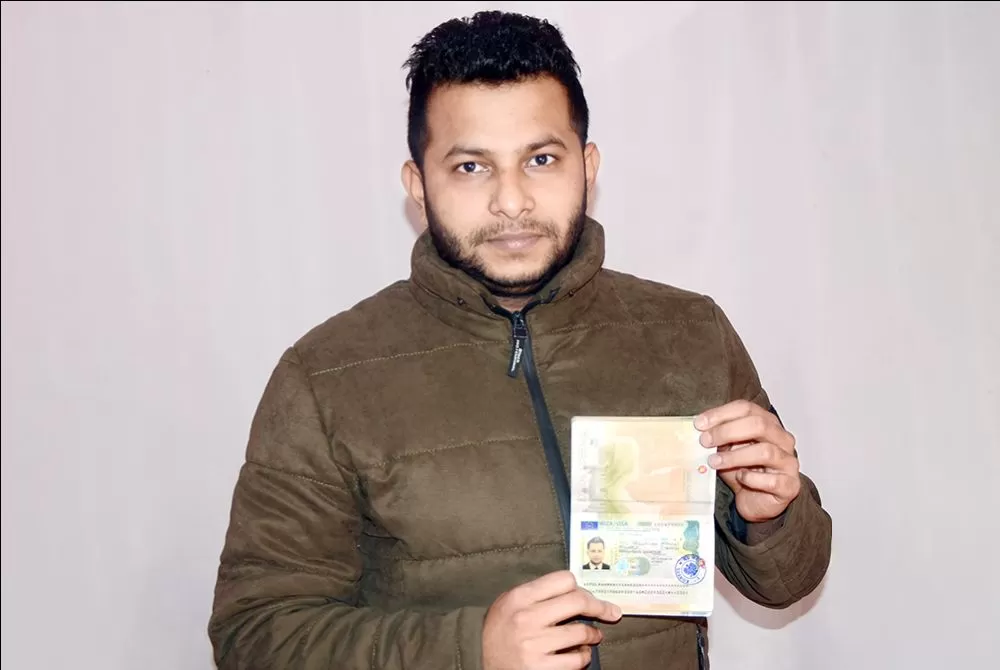
Global clients share how M2S Group helped them secure careers, work permits, and visas in Europe...


Why Choose M2S Group?
At M2S Group, we aim to help you become a true global citizen by providing exceptional support in your international career and immigration journey.
Read More



Get Started with M2S Group!
Our Platform
We connect institutions, employers, students, job seekers, and recruitment partners worldwide.

Employer
Are you recruiting skilled workers from the CIS, African, Asian regions, or other EU countries to work in Poland, Hungary, Lithuania, Slovakia, Estonia, Germany, and other EU nations? Partner with Moving2Europe.eu for efficient and reliable recruitment solutions.

Job seekers
Are you looking to work in Poland, Hungary, Lithuania, Slovakia, Estonia, Germany, or other EU countries? Could you let Moving2Europe. Can you connect with top employers and help with recruitment?

Recruitment Agency
Do you recruit prospective students and workers eager to study or work in Poland, Hungary, Lithuania, Slovakia, Estonia, Germany, or other EU countries? Join Moving2Europe.eu as a trusted Recruitment Partner and grow your network globally.
Do you have any questions?
We are here to help you explore opportunities to work and live in Europe. Our experts are ready to assist you with questions about job searching, obtaining a visa, recognising qualifications, and learning a European language. To learn more about contacting us, please click on one of the icons in the bar below.

Popular Features
Testimonials
Company
Essentials
Useful Links
Our Group
Copyright © 2026 Moving2Europe. All Rights Reserved.