Get Started with M2S Group!
We are a global platform connecting institutions, employers, students, job seekers, and recruitment partners.
Join Us Today:
Why Apply for an Albania Work Visa?
- One of Europe’s fastest-growing tourism economies
- Low cost of living and some of the lowest taxes in Europe
- Single Unique Permit (Leje Unike) combines work and residence
- Mostly online application through the e-Albania portal
- Growing demand in tourism, call centres, IT, and construction
- Permanent residence possible after five years
- Warm climate, a long coastline, and a welcoming culture
Albania is one of the most accessible countries in Europe for foreign workers and remote professionals. As an EU candidate country with a modern, largely digital immigration system, it offers a single combined work-and-residence permit, low living costs, and a tax regime that is among the friendliest on the continent. Wages are lower than in Western Europe, but so are expenses — and for people from neighbouring Balkan countries, digital nomads, and those building a long-term base near the EU, Albania is a genuinely smart choice.


Albania Work Visa for Foreigners
Albania has quietly become one of the easiest and most affordable countries in Europe to live and work legally. An EU candidate country on the Adriatic and Ionian coast — with accession negotiations formally opened — it modernised its immigration system with the 2021 Law on Foreigners, replacing a tangle of separate work and residence permits with a single Unique Permit (Leje Unike) that combines the right to work and the right to reside in one biometric card. The result is a system that is faster, mostly online, and far less bureaucratic than most EU member states. Whether you are coming from a neighbouring Balkan country, from Asia, Africa, the Middle East, the Americas, or anywhere else, this guide explains everything you need to know — the different permit categories, who qualifies, the documents you will need, the fees, the processing times, realistic salaries, the sectors that actually hire foreigners, the route to permanent residence, and the latest rule changes for 2026. Read it through once, and you will understand not just how the system works on paper, but also how it works in practice.
Why Work in Albania?
Albania is not a high-wage country, and it would be dishonest to pretend otherwise. What it offers instead is accessibility, affordability, speed, and a genuinely fast-growing economy. Tourism has boomed along the Albanian Riviera, with record numbers of visitors arriving each year and driving construction, hospitality, and services. Foreign investment is rising, the diaspora is bringing capital and skills home, and the cost of living remains a fraction of what you would pay in Western Europe. For many people, the appeal is simple: you can establish legal residence in Europe, next door to the European Union, without the high salary thresholds, long queues, and heavy paperwork that define so many EU systems.
It is also one of the most tax-friendly countries in the region. Personal income tax is low and structured to protect lower earners, small businesses enjoy generous transitional relief, and the overall cost of setting up a life or a company here is modest. Rents in Tirana and the coastal towns are affordable, food and transport are cheap, and a comfortable lifestyle costs a fraction of what it would in Berlin, Paris, or London. The administration has invested heavily in digital government, so most of the immigration process happens through a single online portal rather than across multiple counters and offices.
For digital nomads, remote workers, retirees, entrepreneurs, consultants, and people from the wider Balkans, Albania is an attractive and realistic destination. It combines a mild Mediterranean climate, a relaxed and famously welcoming culture, a strategic location with easy connections to Italy, Greece, and the rest of Europe, and a clear legal pathway from temporary residence to permanent settlement. It is a place where a modest income stretches a long way and where the bureaucracy, for once, works with you rather than against you.
Benefits of Working in Albania
Here is what makes Albania appealing for foreign workers:
- A single Unique Permit (Leje Unike) that covers both work and residence in one biometric card
- A largely online application process through the e-Albania portal, reducing in-person visits
- Low cost of living, especially for housing, food, and daily expenses
- Low personal income tax and business-friendly tax incentives for small companies
- A fast-growing tourism, services, and outsourcing economy with real demand for staff
- Visa-free entry for many nationalities, including a generous one-year stay for US citizens
- A clear, well-defined pathway to permanent residence after five years
- A mild Mediterranean climate and a relaxed, hospitable culture
- A strategic location bordering the EU, with quick ferry and flight links to Italy and Greece
- English is widely spoken in business, tourism, and among younger Albanians
Citizens of the EU, the United States, and the Schengen area enjoy broadly equal employment rights to Albanian nationals, meaning they can often work without a separate work permit and regularise their residence. Citizens of Western Balkan countries also benefit from favourable residence rules under regional agreements, making cross-border work in the region comparatively straightforward.
Types of Albanian Work and Residence Permits
Since the 2021 reform, most foreign workers fall under the Unique Permit, but it comes in several distinct categories depending on your situation. Choosing the right category from the start is the single most important decision, because it determines which documents you need, how long the permit lasts, and how quickly you can move toward permanent residence.
Employment Unique Permit
This is the standard route for foreigners hired by an Albanian company. Your employer sponsors the application, and the permit ties your right to work and reside to that specific job and employer. It is usually issued for one year initially and is renewable as long as the employment continues. If you change employers, a new application is generally required because the permit is linked to the role for which it was granted. This is the category most call-centre staff, hospitality workers, engineers, teachers, and corporate employees will use.
Self-Employment Permit
For sole traders and freelancers who register as a Person Fizik (a registered sole trader) or set up a limited company (Sh.p.k.) in Albania. This is a common and flexible route for consultants, small business owners, tradespeople, and independent service providers who want to invoice clients legally and build a long-term base. You will need to show that your business is genuinely registered and active, and you will become responsible for your own tax and social security contributions.
Business and Investor Permit
For company founders and major investors looking to establish or expand a business in Albania. Larger investments — broadly in the range of EUR 100,000, though thresholds vary by sector and project — come with an investor-category permit and usually require hiring local Albanian staff alongside any foreign employees. Strategic investments in priority sectors such as tourism, energy, and agriculture can attract additional support and faster handling under Albania’s strategic investment framework.
Digital Mobile Worker (Remote Worker) Permit
For people working remotely for companies or clients based outside Albania. You must show a foreign employment or service contract and a modest minimum monthly income, plus private health insurance covering your stay. This permit follows a 1+1+5 structure — one year, then a one-year renewal, then a five-year permit — giving remote workers and digital nomads a clear, fast-tracked path to long-term residence. It has become one of the most popular routes for location-independent professionals drawn by the low cost of living and the coastal lifestyle.
Property Owner and Other Permits
Foreigners who own real estate in Albania can apply for a residence permit on that basis, which suits retirees and second-home owners. There are also dedicated categories for retirees with a stable pension income, for family members joining a resident or Albanian citizen through family reunification, and for students, researchers, and other special cases. Each category has its own evidence requirements, but all sit within the same Unique Permit framework and the same online process.
Albania Work Permit Eligibility Criteria
To be approved for an Albanian work-based Unique Permit, you generally need to satisfy a clear and relatively short list of conditions:
- A signed employment contract or binding job offer from a registered Albanian company
- An employer in good standing, registered with the National Business Centre, and compliant with tax and social security obligations.s
- Evidence that you are genuinely qualified for the role and that it cannot easily be filled from the local labour market
- A valid passport with sufficient remaining validity to cover the full permit period
- A clean criminal record certificate, usually issued within the last three months and apostilled or legalised
- Proof of accommodation in Albania, such as a rental contract or property document
- Health insurance or demonstrable access to medical coverage during your stay
- A Type D long-stay visa is required if your nationality requires a visa to enter Albania for stays of more than 90 days.
The qualification and labour-market elements are applied with a lighter touch than in most EU countries. However, they still matter: the authorities want to see that the role is genuine, that your skills fit it, and that the employer is real and compliant. Citizens of the EU, the USA, and Schengen countries are largely exempt from the work-permit requirement altogether, and Western Balkan nationals enjoy favourable terms, so your nationality can significantly change how much of this list applies to you.
Documents Required for an Albanian Work Permit
The exact list varies by permit category and is confirmed on the e-Albania portal, but the core documents you should prepare in advance are:
- Completed application, filed online via the e-Albania portal
- Valid passport with at least six months’ remaining validity and blank pages
- Signed employment contract setting out your role, salary, hours, and duration
- National Business Centre extract confirming the employer’s registration and good standing
- Diplomas, professional licences, and a current CV proving your qualifications and experience
- Recent criminal record certificate, apostilled or legalised where required
- Proof of accommodation in Albania, such as a lease or ownership document
- Proof of health insurance or medical coverage valid in Albania
- Biometric passport photographs to the required specification
- Receipt confirming payment of the applicable state fee
Foreign documents usually require an apostille or consular legalisation, along with a certified Albanian translation, to be accepted. It is worth getting these done early, because gathering, translating, and legalising paperwork is the stage that takes the most calendar time. Incomplete or inconsistent files are, by a wide margin, the most common cause of delay and refusal, so a careful check before submission saves weeks later.
How to Apply for an Albanian Work Permit: Step-by-Step Process
The process is handled primarily online and is employer-driven, but knowing each stage helps you keep things moving.
Step 1: Secure a job offer. Find and accept a role with a registered Albanian company that is willing to sponsor your permit. The employer must be genuine, active, and compliant with its tax and social security obligations, because their standing is checked as part of your application.
Step 2: Employer prepares the file. The company confirms its registration with the National Business Centre and prepares the job description, employment contract, and salary details. It gathers its own corporate documents to support the sponsorship.
Step 3: Type D visa, if required. If your nationality needs a visa to enter Albania for a long stay, apply for a Type D long-stay visa through the e-visa system before travelling. Many nationalities are visa-exempt for shorter stays, but the long-stay visa is the correct entry document for work.
Step 4: Submit the Unique Permit application. The application is filed through the e-Albania portal, with all supporting documents uploaded digitally and the state fee paid online. This single submission covers both the work and residence elements of the Unique Permit.
Step 5: Biometric enrolment. You attend in person at the Regional Directorate of Border and Migration Police to provide your biometric data — fingerprints and a photograph — and have your original documents verified against the digital file.
Step 6: Decision and permit card. Once the application is approved, the biometric Unique Permit card is produced. Work permit approval typically takes 15 to 30 days, and the full combined process is generally completed within about two months.
Step 7: Local registration. Complete any remaining formalities, such as registering your address locally, and begin work in line with the conditions of your permit. Keep your permit valid and renew it in good time before it expires to maintain continuous residence.
Albania Work Permit Processing Time
Processing depends on the permit type, the region in which you apply, and how complete your file is when you submit it. As a realistic guide:
- Work-permit approval: roughly 15 to 30 days for a complete file
- Full Unique Permit (combined work and residence): around two months end-to-end
- Digital mobile worker permit: typically processed within the same broad window
- Permanent residence: longer, with more extensive background and continuity checks
- Incomplete or complex files: additional weeks while the authorities request missing items
Submitting a complete, correctly translated, and internally consistent application from the very start is the single biggest factor that speeds things up. Most delays are self-inflicted — a missing translation, an out-of-date police certificate, or a mismatch between the contract and the application — rather than caused by the authorities being slow. Building in time for apostilles and translations before you file will save you the most stress.
Albania Work Permit Fees & Costs
Albanian government fees are low by European standards, though exact figures change between fiscal years and should always be confirmed on e-Albania before you apply:
- Initial permit fee: roughly 10,000 to 20,000 ALL (around EUR 60 to 100)
- Renewals: around EUR 50, depending on the category
- Digital mobile worker permit: around EUR 45
- Type D long-stay visa: varies by nationality and reciprocity arrangements
- Document translation: around EUR 15 to 25 per page
- Apostille, notarisation, and private health insurance: variable, depending on your home country and provider
Compared with most of Europe, the overall cost of obtaining residence and work authorisation in Albania is remarkably low — often a few hundred euros all-in, against the thousands that some Western European routes can run to once health surcharges and high application fees are added. The highest single cost for most applicants is not the government fee but the translation and legalisation of foreign documents, so budget for that and have it done properly the first time.
Job Market in Albania for Foreign Workers
Albania’s economy is smaller and more concentrated than Western Europe’s, but it is growing steadily, and certain sectors actively hire foreign and multilingual workers. The strongest demand is in tourism and multilingual outsourcing, but technology, construction, education, and healthcare all offer real opportunities. Here is where the jobs are:
| Sector | In-Demand Roles | Main Hiring Cities | Demand Level |
|---|---|---|---|
| Tourism & Hospitality | Hotel Staff, Chefs, Restaurant Managers, Tour Guides | Tirana, Sarandë, Vlorë, Dürres | Very High |
| Call Centres & BPO | Multilingual Customer Support, Sales Agents | Tirana, Dürres | Very High |
| Information Technology | Software Developers, QA Engineers, IT Support | Tirana | High |
| Construction & Engineering | Civil Engineers, Site Managers, Skilled Workers | Tirana, coastal regions | High |
| Education | English Teachers, International School Staff | Tirana | Medium-High |
| Finance & Accounting | Accountants, Analysts, Auditors | Tirana | Medium |
| Healthcare | Doctors, Nurses, Specialists | Tirana, Dürres | Medium |
| Agriculture & Manufacturing | Production Staff, Textile Workers, Technicians | Nationwide | Medium |
The booming tourism sector along the coast is the clearest entry point, with hotels, restaurants, and tour operators needing seasonal and year-round staff. Equally important for foreigners is the large and growing call-centre and business-process-outsourcing industry, which is built specifically on multilingual talent and is one of the few sectors that prefers to hire non-Albanians who speak Italian, German, French, or English. Technology firms in Tirana are expanding and increasingly open to international developers, while construction and engineering ride the wave of tourism and infrastructure investment.
Top In-Demand Jobs in Albania for Foreigners
If you fit one of these roles, your chances of finding work in Albania improve significantly:
- Multilingual Call Centre and Customer Support Agent
- Software Developer and QA Engineer
- Hotel and Restaurant Manager
- Chef and Hospitality Professional
- Civil Engineer and Site Manager
- English Teacher and International School Staff
- Accountant and Financial Analyst
- Digital Marketing Specialist
- Doctor and Nurse
- Remote Worker for a foreign company (digital nomad route)
Albania’s many multilingual call centres are especially open to foreign workers who speak Italian, German, French, English, or other European languages, and they often provide training and a clear entry route for newcomers. If you combine a sought-after language with a technical, sales, or customer service background, you are well-positioned. Remote workers, meanwhile, sidestep the local market entirely by keeping their foreign income and using the digital mobile worker permit.
Average Salary of Workers in Albania
Salaries in Albania are modest by European standards, but so is the cost of living, and a low tax burden means more of your gross pay reaches your pocket. Here is a realistic snapshot of monthly and annual gross salaries for foreign workers across common roles:
| Job Role | Monthly Salary (ALL) | Approx. Annual Salary (ALL) | Experience Level |
|---|---|---|---|
| Software Developer | 150,000 – 350,000 | 1,800,000 – 4,200,000 | Mid to Senior |
| Multilingual Call Centre Agent | 70,000 – 130,000 | 840,000 – 1,560,000 | Entry to Mid |
| Hotel / Restaurant Manager | 80,000 – 160,000 | 960,000 – 1,920,000 | Mid to Senior |
| Chef | 70,000 – 140,000 | 840,000 – 1,680,000 | All Levels |
| Civil Engineer | 90,000 – 180,000 | 1,080,000 – 2,160,000 | Mid Level |
| English Teacher | 80,000 – 160,000 | 960,000 – 1,920,000 | All Levels |
| Accountant | 80,000 – 150,000 | 960,000 – 1,800,000 | Mid Level |
| Digital Marketing Specialist | 80,000 – 160,000 | 960,000 – 1,920,000 | Mid Level |
| Doctor | 120,000 – 250,000 | 1,440,000 – 3,000,000 | All Levels |
| Nurse | 60,000 – 110,000 | 720,000 – 1,320,000 | All Levels |
| Construction Worker | 60,000 – 100,000 | 720,000 – 1,200,000 | Skilled Trade |
| IT Support Technician | 90,000 – 180,000 | 1,080,000 – 2,160,000 | Entry to Mid |
Note: As a rough guide, 100 ALL is roughly EUR 1, so an 80,000 ALL salary is about EUR 800 per month. Salaries are highest in Tirana and the coastal tourism hubs, and in technology and senior management. While pay is low compared with Western Europe, Albania’s cost of living is among the lowest on the continent, personal income tax is modest, and a salary that looks small on paper supports a comfortable lifestyle locally. Remote workers earning Western salaries while living in Albania enjoy an especially strong position.
Taxes and Cost of Living in Albania
Part of Albania’s appeal is how far your money goes once you are there. Personal income tax is structured progressively but remains low overall, protecting lower earners, and small businesses benefit from generous transitional relief on profit tax. Social security and health contributions are payable on employment income, shared between employer and employee in the usual way.
The cost of living is what really sets Albania apart. Rent for a modern one-bedroom apartment in central Tirana is a fraction of comparable Western European cities, and even less outside the capital. Groceries, dining out, transport, and utilities are inexpensive, and a single person can live comfortably on a budget that would barely cover rent alone in many EU capitals. For remote workers and pensioners who earn foreign income, this gap between earnings and expenses is at the core of the country’s appeal. Always confirm current tax rates and thresholds before relying on them, as figures are reviewed between fiscal years.
Dependent and Family Benefits for Albania Permit Holders
Foreign workers in Albania can generally bring close family members, who can apply for residence based on family reunification once their own permit is in place.
- Residence permits for spouses and dependent children
- Access to schooling for children, including international school options in Tirana
- The ability to build toward permanent residence together as a family
- Freedom to travel within and live in Albania for the permit’s duration
- The option for family members to seek their own work authorisation,n where eligible
Because the cost of living is low, Albania can be a comfortable and affordable place for a family to relocate together. Housing is spacious and inexpensive by European standards, the climate is mild, and the culture is famously welcoming to children and families, which makes settling in easier than the bureaucracy alone might suggest.
Pathway to Permanent Residency in Albania
Albania offers a clear and attainable route to long-term settlement, which is one of the strongest reasons to choose it as a base:
- Temporary residence permits are issued for terms of three months up to one or two years, and can be renewed
- After five consecutive years of legal residence, you can apply for permanent residence
- Citizens of the EU, USA, and Western Balkan countries benefit from a streamlined five-year route under the Unique Permit
- Digital mobile workers can move to a five-year permit from the third year, accelerating their path
- Permanent residents enjoy a stable, long-term status with far fewer renewal obligations
Maintaining continuous legal residence, avoiding long absences from the country, and keeping your status valid without gaps are the keys to qualifying. The five-year clock rewards people who establish a genuine, ongoing life in Albania, and the streamlined treatment for EU, US, and Western Balkan nationals makes the country particularly attractive to those groups. After permanent residence, longer-term routes toward naturalisation exist for those who put down deep roots.
Latest Albania Work Permit Rule Changes
Albania has modernised its immigration system significantly in recent years, and the direction of travel is toward simpler, more digital, and more accessible procedures. The changes every applicant should know:
- The 2021 Law on Foreigners (No. 79/2021) introduced the single Unique Permit (Leje Unike), combining work and residence into one card.
- Applications moved online through the e-Albania portal, making the process largely digital and reducing in-person bureaucracy.
- The Foreigners Law was further amended by Law 43/2025, with periodic updates to fees, categories, and procedures.
- From early 2026, the Unique Permit was extended so that even business travellers staying more than one month a year need it, with an expedited processing time of around two months.
- The digital mobile worker permit and its 1+1+5 structure have made Albania one of the more attractive destinations in the Balkans for remote professionals.
- Minimum salary and fee figures are reviewed between fiscal years, so always confirm current rates on e-Albania.
These rules are administered by the Albanian State Police, through the Border and Migration Police, together with the Ministry responsible for labour and migration. Because details and figures are updated periodically, always verify the latest requirements on e-Albania before applying, rather than relying on older guidance.
Common Reasons for an Albanian Work Permit Rejection
Most rejections and delays happen for a predictable set of reasons, almost all of which are avoidable with careful preparation:
- Incomplete documents or missing certified Albanian translations
- An employer that is not properly registered or not in good standing with tax and social security
- A job that local authorities believe could readily be filled by an Albanian worker
- A criminal record certificate that is missing, out of date, or not apostilled
- Missing proof of accommodation or health coverage
- Inconsistencies between the application form and the supporting documents
- Applying without the required Type D long-stay visa, where one is needed
- Letting an existing permit lapse before renewing, breaking the continuity of residence
A good immigration consultant catches most of these issues before submission, which is why professional help often pays for itself in saved time and avoided refusals. The pattern is almost always paperwork rather than principle: get the documents complete, current, translated, and consistent, and approval usually follows smoothly.
How moving2europe.EU Can Help You
Albania’s system is simpler than most in Europe. However, the details still matter — the right permit category, compliance, a properly registered employer, correctly translated and legalised documents, and good timing for renewals. At moving2europe.eu, we help foreign nationals navigate the process from start to finish, so nothing is missed. Here is what we bring to the table:
- End-to-end guidance, from an honest profile assessment to landing in Albania
- The right permit category has been identified for your specific situation
- Document preparation, certified translation, and verification before submission
- Liaison with registered, compliant Albanian employers
- Support with the e-Albania application and the Type D visa, where needed
- Family residence applications are handled alongside your own
- Clear updates on the latest rule and fee changes
- Transparent fees and real human support throughout
Whether you already have a job offer, plan to work remotely, are setting up a business, or are still exploring your options, we can help you take the next step toward living and working in Albania — legally, efficiently, and with confidence.
Start Your Journey to Albania Today
Wherever you are in the process, moving2europe.eu is ready to help you take the next step toward working in Albania. Choose the path that fits you:
- Job seekers — browse opportunities and begin your application on our Work in Europe page.
- Employers — hiring international talent for Albania? Register as an employer to connect with skilled, pre-screened candidates.
- Recruitment partners — run a recruitment agency? Register as a recruitment partner to join our growing network.
Take the first step toward your new career in Albania — get in touch with moving2europe. I’m in Europe today.
Albania
Moving2Europe helps job seekers find rewarding employment opportunities across Albania. We connect skilled, semi-skilled, and multilingual workers with trusted Albanian employers in tourism, hospitality, call centres, IT, construction, and education, supporting candidates from South Asia, East Asia, Sub-Saharan Africa, the Middle East, Latin America, Europe, and North America.
Our work placement services extend across Albania, including Tirana, Dürres, Vlorë, Sarandë, Shkodër, Elbasan, and the coastal tourism regions.
We guide candidates through every stage of the journey — from the e-Albania Unique Permit application and document preparation to placement and onboarding. Whether you’re seeking a blue-collar or white-collar role, we help you secure stable, well-matched work that meets Albanian standards and supports your long-term goals.
Ready to Work in Albania?
Please tell us your situation. Our team will identify the right permit category, prepare your documents, and coordinate the application from start to finish so you arrive in Albania ready to start.
Conclusion
Albania offers something rare in Europe — an accessible, affordable, and largely online route to living and working legally on the continent’s edge. Wages are lower than in the West, but the cost of living is low, the taxes are light, and the Unique Permit keeps the paperwork refreshingly simple. For digital nomads, remote workers, hospitality and call-centre professionals, and people from the wider region, it is a genuine opportunity. Get your documents in order, line up a compliant employer or a qualifying remote contract, and the rest is straightforward. And if you want a hand along the way, moving2europe.eu is here to help.
Looking for inspiration
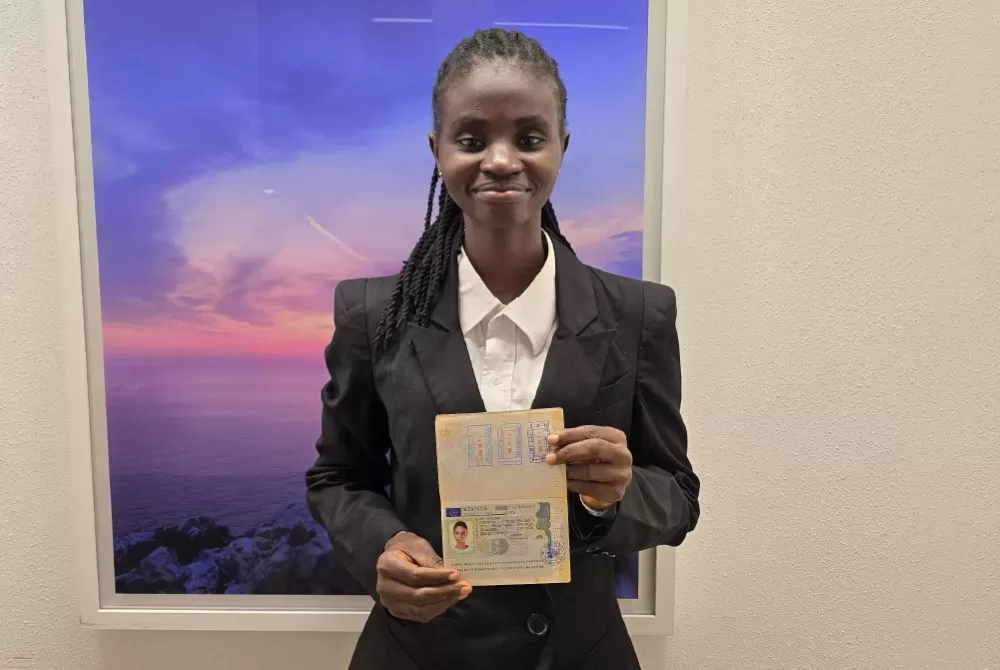
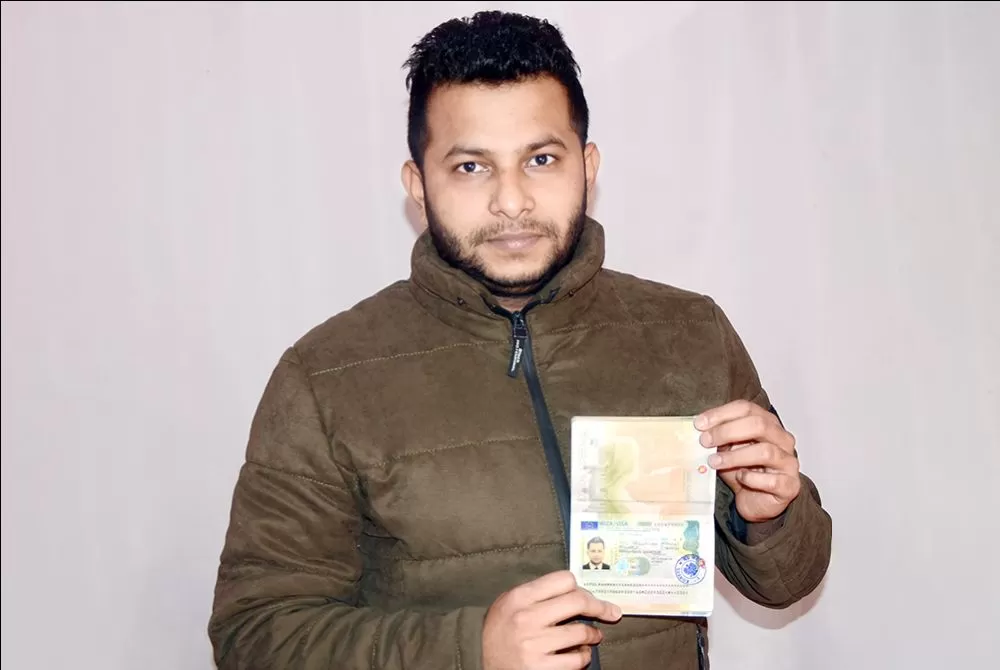
Global clients share how M2S Group helped them secure careers, work permits, and visas in Europe...

Why Choose M2S Group?
At M2S Group, we aim to help you become a true global citizen by providing exceptional support in your international career and immigration journey.
Read More



Get Started with M2S Group!
Our Platform
We connect institutions, employers, students, job seekers, and recruitment partners worldwide.

Employer
Are you recruiting skilled workers from the CIS, African, Asian regions, or other EU countries to work in Poland, Hungary, Lithuania, Slovakia, Estonia, Germany, and other EU nations? Partner with Moving2Europe.eu for efficient and reliable recruitment solutions.

Job seekers
Are you looking to work in Poland, Hungary, Lithuania, Slovakia, Estonia, Germany, or other EU countries? Could you let Moving2Europe. Can you connect with top employers and help with recruitment?

Recruitment Agency
Do you recruit prospective students and workers eager to study or work in Poland, Hungary, Lithuania, Slovakia, Estonia, Germany, or other EU countries? Join Moving2Europe.eu as a trusted Recruitment Partner and grow your network globally.
Do you have any questions?
We are here to help you explore opportunities to work and live in Europe. Our experts are ready to assist you with questions about job searching, obtaining a visa, recognising qualifications, and learning a European language. To learn more about contacting us, please click on one of the icons in the bar below.