Get Started with M2S Group!
We are a global platform connecting institutions, employers, students, job seekers, and recruitment partners.
Join Us Today:
Get in touch with us!
Jobs in Denmark – Work Permit, Visa, Salary & Hiring Guide
Denmark is a Scandinavian kingdom and European Union member state situated on the Jutland Peninsula and a cluster of islands between the North Sea and the Baltic Sea, bordering Germany to the south. One of the wealthiest, most innovative, and most liveable countries in the world, Denmark consistently ranks at or near the top of global indices for quality of life, worker rights, social welfare, healthcare, and transparency. Its economy is driven by advanced manufacturing, life sciences and pharmaceuticals, renewable energy — particularly wind power — shipping and logistics, IT, food and agriculture, and a highly developed financial services sector.
Denmark is experiencing well-documented labour shortages across key sectors, with the Danish Agency for International Recruitment and Integration actively maintaining and updating two official Positive Lists of shortage occupations updated twice yearly. As of the most recent update, the Positive List for People with a Higher Education includes 183 job titles, and the Positive List for Skilled Work includes 57 job titles. The government has further proposed targeted reforms to broaden access to work permits, including a new scheme with a reduced salary threshold of DKK 300,000 — significantly below current thresholds — to address sectoral shortages.
According to Statistics Denmark, the average employee earns DKK 51,675 per month before taxes — approximately €6,920 — making Denmark one of the highest-paying labour markets in the entire European Union. Denmark has no statutory national minimum wage; instead, pay floors are set through collective bargaining agreements, with the lowest sectoral rates typically around DKK 110 per hour. All permit schemes require the salary to be paid into a Danish bank account in the worker's name.
This guide covers everything you need to know about jobs in Denmark — including 40 verified shortage occupations with salary data, and a complete, accurate guide to the Positive List Scheme, Pay Limit Scheme, Fast-Track Scheme, and Researcher Scheme, based exclusively on official Danish government sources. Whether you are a job seeker, an employer, or a recruitment agency, Moving2Europe.eu is here to connect you with verified opportunities across Denmark and the wider European region.
Europe Job Market Overview
Europe is experiencing structural and sustained labour shortages driven by demographic change, advancing technology, and economic growth that domestic workforces alone cannot support. Denmark sits at the high-wage, high-skill end of this challenge, with acute shortages concentrated in healthcare, engineering, IT, green energy, and construction trades.
The Danish government operates one of Europe's most transparent and well-structured international recruitment frameworks — the SIRI system — which provides multiple, clearly defined pathways for non-EU workers, regularly updates shortage occupation lists to reflect real market conditions, and certifies employers for Fast-Track hiring. Government reform proposals currently under parliamentary discussion would further reduce the salary threshold to DKK 300,000 for nationals of 16 target countries, thereby broadening access significantly.
For international job seekers, Denmark offers some of the highest wages in Europe, world-class working conditions, a 37-hour standard working week, generous leave entitlements, universal healthcare, and one of the most effective and respected social welfare systems in the world. For employers, the SIRI framework provides a predictable, structured process with processing times of approximately one month. For recruitment agencies, Denmark represents a premium, stable, and growing international hiring market underpinned by one of Europe's most professional immigration authorities.
Jobs in Denmark – Market Overview
Denmark's economy is one of the most diversified and knowledge-intensive in Northern Europe. Its major employers — the pharmaceutical and life sciences sector, advanced manufacturing, shipping, renewable energy, IT services, agriculture and food processing, and the public healthcare and education sector — all face growing and documented shortfalls in qualified workers.
Key industries actively hiring international workers include:
Healthcare and Social Care: Denmark faces a permanent and well-documented shortage of nurses, doctors, physiotherapists, midwives, and social and health care workers. The healthcare sector is one of the most consistently featured across both Positive Lists and generates a significant share of all international work permit applications.
Information Technology: Software developers, data engineers, IT architects, cybersecurity specialists, and AI engineers are in acute shortage across Copenhagen, Aarhus, and Odense. The IT sector operates largely in English, making it one of the most practically accessible for international workers.
Engineering and Renewable Energy: Denmark is a global leader in wind energy and clean technology. Electrical engineers, mechanical engineers, civil engineers, structural engineers, and renewable energy specialists are all on the Positive List and are in sustained demand across the country.
Construction and Trades: Carpenters, bricklayers, plumbers, electricians, HVAC specialists, and other skilled tradespeople appear on the Positive List for Skilled Work and are in demand across Danish construction markets.
Life Sciences and Pharmaceuticals: Denmark is one of Europe's leading pharmaceutical producers. Researchers, laboratory scientists, regulatory specialists, and production technicians are consistently in shortage.
Shipping and Logistics: Denmark's shipping industry is globally significant. Naval architects, maritime engineers, logistics coordinators, and supply chain managers are in demand, particularly in and around Copenhagen and Esbjerg.
Top Cities for Jobs in Denmark
Jobs in Copenhagen
Copenhagen is Denmark's capital and its dominant economic, technological, and cultural hub. The city pays the highest average salaries in the country — with an average annual income of approximately DKK 623,292 — and offers the widest range of employment for both professional and skilled international workers. Copenhagen is home to Denmark's most significant concentration of pharmaceutical companies, IT firms, financial institutions, design and media companies, and major logistics and shipping operations.
IT professionals in Copenhagen earn DKK 55,000–100,000 or more gross per month. Engineers earn DKK 45,000–80,000. Healthcare professionals earn DKK 40,000–70,000. The city's large and well-established international community and near-universal English proficiency make it one of the most welcoming destinations in Europe for international workers.
Jobs in Aarhus
Aarhus is Denmark's second-largest city and a major centre for manufacturing, IT, engineering, and healthcare on the Jutland peninsula. With an average annual income of approximately DKK 566,652, Aarhus offers competitive compensation with a notably lower cost of living than Copenhagen. The city has a strong and growing technology and startup ecosystem anchored by Aarhus University and is home to major agricultural, food-processing, and logistics operations. Aarhus is increasingly attractive to international professionals seeking Copenhagen-level career opportunities at a more manageable cost of living.
Jobs in Odense, Aalborg, and Other Regions
Odense, on the island of Funen, is home to a growing robotics and technology cluster — Denmark's largest robotics hub — alongside significant employment in healthcare and manufacturing. Aalborg in northern Jutland is an important engineering, construction, and IT centre with a strong university presence. Regional cities across Jutland and the Danish islands offer consistent demand in construction, healthcare, agriculture, and manufacturing, often with less competition for international candidates than the major urban centres.
Job Opportunities in Denmark
Blue-Collar Jobs in Demand in Denmark
The following 20 blue-collar roles reflect Denmark's most critical shortage occupations for skilled workers, drawn from the official Positive List for Skilled Work published by the Danish Agency for International Recruitment and Integration at nyidanmark.dk and from EURES Denmark labour market data. Roles on the Positive List for Skilled Work qualify for the Positive List residence and work permit scheme.
| Job Title | Skills / Qualifications Required | Average Monthly Salary (DKK) | Top Hiring Cities |
|---|---|---|---|
| Carpenter / Joiner | Recognised carpentry vocational qualification, construction and renovation experience | DKK 38,000 – 55,000 | Copenhagen, Aarhus, Odense |
| Bricklayer / Mason | Recognised masonry vocational qualification, minimum 3 years of construction site experience | DKK 37,000 – 53,000 | Copenhagen, Aarhus, Odense |
| Electrician | Recognised electrical vocational qualification, installation and safety certification | DKK 40,000 – 58,000 | Copenhagen, Aarhus, Odense |
| Plumber | Recognised plumbing vocational qualification, minimum 2 years installation experience | DKK 38,000 – 56,000 | Copenhagen, Aarhus, Odense |
| HVAC / Heating and Ventilation Installer | Recognised HVAC vocational qualification, installation and commissioning experience | DKK 40,000 – 58,000 | Copenhagen, Aarhus |
| Welder | Recognised welding qualification, MIG/TIG/MAG/MMA certification | DKK 37,000 – 54,000 | Copenhagen, Aarhus, Esbjerg |
| Painter and Decorator | Recognised painting vocational qualification, construction finishing experience | DKK 36,000 – 52,000 | Copenhagen, Aarhus, Odense |
| Industrial Mechanic / Machine Fitter | Recognised industrial mechanics qualification, manufacturing plant experience | DKK 40,000 – 58,000 | Aarhus, Odense, Aalborg |
| Truck Driver (Category C/CE) | Category C/CE driving licence, ADR certificate preferred, clean driving record. | DKK 38,000 – 55,000 | Copenhagen, Aarhus, Odense |
| Chef / Cook | Recognised culinary qualification or minimum 3 years professional kitchen experience | DKK 32,000 – 50,000 | Copenhagen, Aarhus, Odense |
| Social and Health Care Worker | Recognised social and health care qualification (quota applies — confirm availability with SIRI) | DKK 32,000 – 46,000 | Copenhagen, Aarhus, Odense |
| Plasterer | Recognised plastering vocational qualification, construction finishing experience | DKK 36,000 – 52,000 | Copenhagen, Aarhus |
| Roofer | Recognised roofing qualification, ability to work safely at height | DKK 37,000 – 53,000 | Copenhagen, Aarhus, Odense |
| Scaffolder | Scaffolding certification, physical fitness, and construction site experience | DKK 36,000 – 52,000 | Copenhagen, Aarhus |
| Agricultural / Horticultural Worker | Recognised agricultural or horticultural qualification, crop or livestock experience | DKK 28,000 – 42,000 | Jutland agricultural regions |
| Metalworker / Sheet Metal Worker | Recognised metalworking qualification, industrial fabrication experience | DKK 38,000 – 55,000 | Aarhus, Esbjerg, Odense |
| Forklift Operator / Warehouse Operative | Valid forklift licence, logistics or warehouse operations experience | DKK 30,000 – 45,000 | Copenhagen, Aarhus, Odense |
| Bus / Coach Driver | Category D licence, passenger transport experience, clean driving record | DKK 36,000 – 52,000 | Copenhagen, Aarhus, Odense |
| Production / Process Operator | Vocational production or process operations qualification, manufacturing experience | DKK 33,000 – 50,000 | Aarhus, Odense, Aalborg |
| Construction Labourer | Physical fitness, construction site awareness, and basic safety training | DKK 28,000 – 43,000 | Copenhagen, Aarhus, Odense |
Register as a Truck Driver → Browse Welder Opportunities →
White-Collar Jobs in Demand in Denmark
The following 20 white-collar roles reflect Denmark's most critical shortage occupations in professional and highly qualified sectors, drawn from the official Positive List for People with a Higher Education published by SIRI at nyidanmark.dk, as well as from EURES Denmark and Statistics Denmark labour market data.
| Job Title | Skills / Qualifications Required | Average Monthly Salary (DKK) | Top Hiring Cities |
|---|---|---|---|
| Software Developer / Engineer | Degree or equivalent, proficiency in Python, Java, C#, or JavaScript | DKK 55,000 – 95,000 | Copenhagen, Aarhus, Odense |
| IT Architect / Cloud Engineer | IT degree, cloud platform experience (AWS/Azure/GCP), architecture design skills | DKK 65,000 – 110,000 | Copenhagen, Aarhus |
| Cybersecurity Specialist | IT security degree or certification, threat detection and system protection experience | DKK 60,000 – 100,000 | Copenhagen, Aarhus |
| Data Scientist / AI Engineer | Degree in IT, mathematics, or statistics, proficiency in Python and ML frameworks | DKK 60,000 – 105,000 | Copenhagen, Aarhus |
| Electrical Engineer | Degree in electrical engineering, renewable energy or industrial automation experience | DKK 50,000 – 80,000 | Copenhagen, Aarhus, Esbjerg |
| Mechanical Engineer | Degree in mechanical engineering, manufacturing or industrial design experience | DKK 50,000 – 80,000 | Aarhus, Odense, Copenhagen |
| Civil / Structural Engineer | Degree in civil engineering, infrastructure or building project experience | DKK 50,000 – 80,000 | Copenhagen, Aarhus, Odense |
| Renewable Energy Engineer | Degree in energy, electrical, or environmental engineering, with wind or solar project experience | DKK 55,000 – 90,000 | Esbjerg, Copenhagen, Aarhus |
| Doctor / Medical Specialist | Medical degree, valid specialisation certificate, Danish-recognised authorisation | DKK 65,000 – 130,000+ | Copenhagen, Aarhus, Odense |
| Registered Nurse | Recognised nursing degree, valid Danish or EU professional registration, and clinical experience | DKK 38,000 – 58,000 | Copenhagen, Aarhus, Odense, regional hospitals |
| Midwife | Recognised midwifery degree, valid professional registration, and obstetrics experience | DKK 42,000 – 62,000 | Copenhagen, Aarhus, Odense |
| Physiotherapist | Physiotherapy degree, valid professional registration, and rehabilitation experience | DKK 40,000 – 60,000 | Copenhagen, Aarhus, Odense |
| Pharmacist | Pharmacy degree, valid Danish professional registration, and regulatory knowledge | DKK 45,000 – 68,000 | Copenhagen, Aarhus, Odense |
| Financial Analyst / Controller | Degree in finance, accounting, or economics, ERP and financial analysis experience | DKK 50,000 – 85,000 | Copenhagen |
| Project Manager (Engineering / IT) | PMP, PRINCE2, or Agile certification, minimum 3 years of project management experience | DKK 55,000 – 95,000 | Copenhagen, Aarhus |
| Supply Chain / Logistics Manager | Degree in logistics or business, procurement and supply chain coordination experience | DKK 48,000 – 82,000 | Copenhagen, Aarhus, Esbjerg |
| Researcher / R&D Specialist | Doctorate or Master's degree in a relevant scientific, technical, or medical field | DKK 55,000 – 95,000 | Copenhagen, Aarhus, Odense |
| Naval Architect / Maritime Engineer | Degree in naval architecture or marine engineering, shipbuilding or offshore experience | DKK 55,000 – 90,000 | Copenhagen, Esbjerg, Aalborg |
| Pharmaceutical / Laboratory Scientist | Degree in chemistry, biology, or pharmacy, GMP production or research laboratory experience | DKK 50,000 – 85,000 | Copenhagen, Kalundborg, Hillerød |
| STEM Teacher / Special Needs Educator | Recognised teaching qualification, STEM subject or special needs education expertise | DKK 40,000 – 58,000 | Copenhagen, Aarhus, Odense |
Register as a Healthcare Worker → Explore All Opportunities →
Salary in Denmark
Denmark is one of the highest-paying labour markets in the European Union, with wages set through collective bargaining rather than a statutory national minimum wage. All salaries must be paid in Danish Krone into a Danish bank account in the worker's name — this is a legal requirement under all work permit schemes.
According to Statistics Denmark, the average employee earns DKK 51,675 per month before taxes — approximately €6,920 — including pension contributions, calculated on standardised hourly earnings. Copenhagen has the highest average earnings in the country, with an annual income of approximately DKK 623,292. Aarhus follows at approximately DKK 566,652 per year. The lowest sectoral collective bargaining agreement rates are typically around DKK 110 per hour.
| Sector | Role | Average Monthly Salary (DKK) |
|---|---|---|
| Information Technology | Software Developer | DKK 55,000 – 95,000 |
| Information Technology | IT Architect / Cloud Engineer | DKK 65,000 – 110,000 |
| Healthcare | Registered Nurse | DKK 38,000 – 58,000 |
| Healthcare | Doctor / Medical Specialist | DKK 65,000 – 130,000+ |
| Engineering | Electrical / Mechanical Engineer | DKK 50,000 – 80,000 |
| Renewable Energy | Renewable Energy Engineer | DKK 55,000 – 90,000 |
| Construction and Trades | Electrician | DKK 40,000 – 58,000 |
| Construction and Trades | Carpenter | DKK 38,000 – 55,000 |
| Transport and Logistics | Truck Driver (C/CE) | DKK 38,000 – 55,000 |
| Life Sciences | Pharmaceutical / Laboratory Scientist | DKK 50,000 – 85,000 |
| Finance | Financial Analyst / Controller | DKK 50,000 – 85,000 |
Work Permit Process in Denmark
Denmark's work permit and residence system for non-EU nationals is managed by the Danish Agency for International Recruitment and Integration (SIRI) and the Danish Immigration Service. All applications are submitted online through SIRI's official portal at nyidanmark.dk. Denmark's Ministry of Foreign Affairs publishes visa information and embassy locations on um.dk.
Denmark does not issue separate long-term work visas. Instead, the residence and work permit is combined into a single document issued by SIRI. For workers from visa-required countries who apply from abroad, a short-stay visa to collect the permit card may be required.
Denmark's Permit Schemes for Non-EU Workers
- Positive List for People with Higher Education: Workers with a university degree or equivalent are offered a job on the current Positive List. The list includes 183 job titles as of the most recent update and is revised every January and July. No salary threshold requirement beyond Danish standards.
- Positive List for Skilled Work: For workers with a recognised vocational qualification, who are offered a job on the current Positive List. The list includes 57 job titles as of the most recent update. Social and Health Care Workers are subject to a quota — confirm availability with SIRI before applying. Salary must meet the Danish standards set by the relevant collective agreement.
- Pay Limit Scheme: For any non-EU worker offered a full-time job with an annual salary of at least DKK 552,000 — approximately DKK 46,000 per month. No requirement for a specific educational background or job type. The threshold is regulated every January.
- Supplementary Pay Limit Scheme: A lower-threshold route requiring a minimum annual salary of DKK 446,000. Additional conditions apply, including that the role has been posted on Jobnet and the EURES portal for at least two weeks and that Danish gross unemployment does not exceed 3.75%.
- Fast-Track Scheme: For SIRI-certified employers to hire international workers quickly. Multiple tracks within the scheme — Pay Limit, Supplementary Pay Limit, Short-Term, and Researcher. Certified employers submit the application on behalf of the worker. Workers may be eligible to start work while the permit is being processed. The salary threshold matches the Pay Limit Scheme.
- Researcher Scheme: For foreign researchers employed at Danish public or private research institutions, including universities, research hospitals, and approved private research facilities.
- Special Individual Qualifications Scheme: For workers with unique skills — artists, specialist chefs, elite athletes, and others whose qualifications are of an individual or extraordinary nature.
Step-by-Step Work Permit Process
Step 1 – Select the Correct Permit Scheme. The employer and worker confirm which scheme applies — Positive List, Pay Limit, Fast-Track, or another. Check whether the role appears on the current Positive Lists at nyidanmark.dk and, where applicable, confirm the salary threshold.
Step 2 – Employer Prepares the Application. The employer prepares the employment contract, which must specify the job title, duties, working hours, salary that meets Danish standards, and pension contributions. The contract must not be older than 30 days at the time of application. For the Supplementary Pay Limit Scheme and Supplementary Pay Limit Track, the vacancy must have been posted on Jobnet and the EURES portal for at least two weeks.
Step 3 – Create a Case Order ID on SIRI's Portal. The employer and worker both log on to nyidanmark.dk to create a Case Order ID and submit their respective parts of the online application. For the Fast-Track Scheme, the employer submits the entire application on the worker's behalf.
Step 4 – Pay the Application Fee The application fee is paid online at the time of submission. For most schemes, the current fee is DKK 6,290 — approximately €840. Payment must occur in the same calendar year as the application.
Step 5 – Biometric Data Collection Within 14 days of submitting the application, the worker must attend a Danish diplomatic mission abroad to have their photograph and fingerprints recorded. This step applies to workers applying from outside Denmark.
Step 6 – Processing and Decision Standard processing time is approximately 30 days. Fast-Track applications for certified employers can be processed significantly faster. Decisions are notified by email or SMS.
Step 7 – Travel to Denmark and Register. Upon approval, the worker travels to Denmark. Within five days of arrival, the worker must obtain a CPR number — the Danish civil registration number — register for healthcare, and open a Danish bank account for salary payment.
Step 8 – Permit Validity and Renewal. For indefinite employment contracts, the permit is valid for up to four years. For fixed-term contracts, the permit is valid for the duration of the contract plus 6 months. If the worker becomes unemployed through no fault of their own, a six-month job-seeking permit may be applied for — but it must be applied for no later than two days after employment ends.
Employers ready to begin the international hiring process can register here →
Work Visa Process in Denmark
Denmark does not issue separate long-term work visas. The residence and work permit issued by SIRI serves as both the right to live and the right to work, for workers from countries that require a short-stay visa to enter Denmark, a Schengen visa may be needed to travel to Denmark to collect the permit card. Denmark's Ministry of Foreign Affairs publishes all visa and entry information on um.dk.
Step 1 – Confirm Entry Requirements for Your Nationality Visit um.dk to confirm whether your nationality requires a Schengen short-stay visa to enter Denmark. Denmark is a full member of the Schengen Area.
Step 2 – Submit the Work Permit Application Through SIRI. The residence and work permit application is submitted online through nyidanmark.dk. This is the application that grants the right to live and work in Denmark — it is not a visa application.
Step 3 – Attend Biometric Data Collection Within 14 Days After submitting the application, attend the nearest Danish embassy or consulate within 14 days to have your photograph and fingerprints recorded.
Step 4 – Travel to Denmark on Permit Approval. On approval, travel to Denmark. If your nationality requires a Schengen visa, ensure it is obtained before travel.
Step 5 – Register and Obtain Your CPR Number Within five days of arrival, register at your local municipality, obtain your CPR number, and register for the Danish National Health Service. Open a Danish bank account, as all salary payments must be made to a Danish bank account in your name.
Embassy Guidance
Use the Official SIRI Portal for All Permit Applications: All work permit and residence permit applications are submitted through SIRI's official online portal at nyidanmark.dk. This is the only authorised route. Check current Positive Lists, pay limit thresholds, and scheme conditions here before initiating any application.
Use the Official Ministry of Foreign Affairs Website for Visa and Embassy Information: Entry requirements, Schengen visa information, and Danish diplomatic mission locations are published at um.dk.
Check the Current Positive Lists Before Applying: The Positive Lists are updated twice yearly — on 1 January and 1 July. The most current list must be checked at Nyidanmark.DK before submitting a Positive List application. A role that was on the list when recruitment began may have been removed by the time the application is submitted.
Complete Biometric Data Collection Within 14 Days of Submission: Workers applying from abroad must attend a Danish diplomatic mission to provide biometric data within 14 days of submitting the application online. Missing this deadline causes the application to lapse.
Salary Must Be Paid Into a Danish Bank Account: This is a legal requirement under all SIRI work permit schemes. Salary paid to a foreign bank account does not comply. Open a Danish bank account as early as possible after arrival and within five days of registering with the municipality.
Notify SIRI immediately of Any Job Change or Job Loss: Work permits under all SIRI schemes are linked to a specific employer. Any change of employer requires a new permit application. Job loss must be reported to SIRI immediately. A six-month job-seeking permit may be applied for within two days of the end of employment if the job loss was through no fault of the worker.
Required Documents
The following documents are required for a Danish residence and work permit application under the Positive List or Pay Limit schemes, based on official requirements from SIRI (nyidanmark.dk).
| # | Document | Details |
|---|---|---|
| 1 | Valid Passport | Must be valid for the full duration of the intended stay. A residence permit cannot remain valid for more than 3 months before the passport expires. |
| 2 | Employment Contract or Job Offer Letter | Must not be older than 30 days. Must specify job title, duties, working hours, salary, pension, and benefits meeting Danish standards. For the Pay Limit Scheme, you must confirm an annual salary of DKK 552,000+. |
| 3 | Proof of Professional Qualifications | Degree certificates, vocational qualifications, or professional licences relevant to the role. |
| 4 | Case Order ID | Generated on SIRI's portal at nyidanmark.dk when creating the application. |
| 5 | Completed Application Forms | Online SIRI forms completed by both the employer and the employee. The employer may submit on the worker's behalf under the Fast-Track Scheme. |
| 6 | Employer Company Documentation | CVR number, company registration details, and proof of certified status for Fast-Track applications. |
| 7 | Positive List Confirmation | Documentation confirming the role appears on the current Positive List. Required for Positive List scheme applications. |
| 8 | Vacancy Posting Confirmation | For the Supplementary Pay Limit Scheme and Supplementary Pay Limit Track: documentation that the vacancy was posted on Jobnet and EURES for at least two weeks. |
| 9 | Health Insurance | Valid health insurance covering the period from arrival until Danish national health insurance commences through CPR registration and employment. |
| 10 | Danish Authorisation (where required) | For regulated professions — including doctors, nurses, dentists, and pharmacists — a Danish authorisation issued by the relevant Danish authority is required. |
| 11 | Application Fee Payment | DKK 6,290 per most schemes, paid online at the time of submission in the same calendar year. |
Always verify current document requirements and fee amounts at nyidanmark—dk before submitting.
How to Avoid Rejection
Role Not on the Current Positive List: The Positive Lists are updated twice yearly. A role that was listed at the start of the recruitment process may have been removed by the time the application is submitted. Always check the current list at nyidanmark.dk immediately before applying.
Salary Does Not Meet the Pay Limit Threshold: Under the Pay Limit Scheme, the annual salary must be at least DKK 552,000 — confirmed in the written employment contract as guaranteed income. Variable bonuses, relocation allowances, equity, and non-guaranteed pay components do not count towards the threshold. The contract must clearly state the qualifying gross annual salary.
Biometric Data Not Provided Within 14 Days: Applications from abroad lapse if the worker does not attend a Danish diplomatic mission for biometric recording within 14 days of submitting the application online.
Social and Health Care Worker Quota Exhausted: Positions for Social and Health Care Workers on the Positive List for Skilled Work are subject to an annual quota of 1,000 permits. Once the quota is reached, the position is removed from the list. Confirm availability with SIRI before applying.
Vacancy Not Posted for the Supplementary Pay Limit Scheme: The Supplementary Pay Limit Scheme and Supplementary Pay Limit Track require that the vacancy be posted on Jobnet and the EURES portal for at least two weeks before the application is submitted.
Salary Not Paid Into a Danish Bank Account: All salary payments must be made to a Danish bank account in the worker's own name. Salary paid to foreign accounts is non-compliant and can result in permit revocation.
Regulated Profession Without Danish Authorisation: Doctors, nurses, dentists, pharmacists, and others in regulated health professions must obtain Danish professional authorisation before or alongside the work permit application. Applications without this authorisation will not be approved.
Hiring Foreign Workers in Denmark
Denmark's labour market needs qualified international workers across healthcare, IT, engineering, renewable energy, construction, and the life sciences. With the Positive List updated twice yearly to reflect real market shortages and multiple permit schemes designed for speed and transparency, employers who build structured international hiring pipelines gain a significant and lasting advantage.
Why Hire International Workers in Denmark? Denmark's domestic labour pool cannot meet demand in healthcare, IT, renewable energy, or construction trades. The government actively maintains and expands the Positive Lists, certifies employers for Fast-Track access, and is advancing legislative proposals to reduce salary thresholds further and broaden access. International workers in Denmark receive the same pay, conditions, and legal protections as Danish workers under the collective bargaining agreement system.
How to Begin the Hiring Process
Step 1 – Register as an Employer on Moving2Europe.eu Create your employer profile, specify your sector, required roles, and workforce needs. Register as an Employer →
Step 2 – Check the Current Positive Lists and Select Your Scheme. Visit nyidanmark.dk to check whether the role appears on the current Positive List. If not, confirm whether the Pay Limit Scheme salary threshold is met. Certified employers may use the Fast-Track Scheme.
Step 3 – Prepare a Danish-Compliant Employment Contract. Issue a signed employment contract specifying the role, salary, hours, pension contributions, and conditions that comply with Danish standards. Ensure that the guaranteed annual salary is clearly stated.
Step 4 – Submit the SIRI Application. Submit the application through nyidanmark.dk. For Fast-Track applications, submit on the worker's behalf.
Step 5 – Support CPR Registration and Danish Bank Account Opening:. Assist the worker in obtaining their CPR number, registering for healthcare, and opening a Danish bank account within 5 days of arrival.
How Job Seekers Can Apply
Step 1 – Check the Current Positive List.s Visit nyidanmark.dk to check whether your profession appears on the Positive List for People with a Higher Education or the Positive List for Skilled Work. Lists are updated every January and July.
Step 2 – Confirm the Pay Limit Threshold if Applicable. If your role is not on the Positive List, confirm whether the offered salary meets the Pay Limit Scheme threshold of DKK 552,000 per year (DKK 46,000 per month).
Step 3 – Register on Moving2Europe.eu
- Register as a Truck Driver →
- Register as a Welder →
- Register as a Healthcare Worker →
- Explore All Opportunities →
Step 4 – Apply for Available Positions Browse verified job listings and apply to positions that match your qualifications and experience.
Step 5 – Submit the SIRI Application with Your Employee.r Once you have a confirmed employment contract, complete your part of the online application through nyidanmark.dk and pay the application fee.
Step 6 – Attend Biometric Data Collection Within 14 Days. Attend the nearest Danish embassy or consulate within 14 days to provide your photograph and fingerprints.
Step 7 – Travel to Denmark and Register Within Five Days of Arriva.l Obtain your CPR number, register for healthcare, and open a Danish bank account within five days of arrival.
Recruitment Agencies & Partnerships
Moving2Europe.eu collaborates with international recruitment agencies, workforce supply companies, and staffing partners to build a consistent, reliable pipeline of pre-screened, work-ready candidates for employers across Denmark and the wider European region.
For agencies operating in Asia, Africa, the Middle East, or Eastern Europe, a partnership with Moving2Europe.eu provides direct access to a growing network of verified Danish employers actively seeking international talent across healthcare, IT, engineering, renewable energy, and construction.
Why Partner with Moving2Europe.eu?
- Access to a verified network of Danish employers actively hiring across all major shortage sectors
- A structured, transparent matching process aligned with SIRI's permit requirements
- Compliance support across all relevant Danish permit schemes
- Long-term business development opportunities as Danish labour demand continues to grow
- A trusted, professional platform built on transparency and accountability
Register as a Recruitment Partner →
Declaration
Moving2Europe.eu provides information on jobs, work permits, visas, and international hiring strictly for guidance purposes. We do not guarantee job placement, work permit approval, or visa issuance under any circumstances.
All applications, hiring decisions, and approvals are subject to individual employer requirements, applicable immigration laws, and the final decision of the respective country's embassy or government authorities.
Users are strongly advised to independently verify all information, ensure the accuracy of their documents, and follow official procedures before submitting any application.
Who can apply for jobs in Denmark as a foreign worker?
Who is eligible to work in Denmark and what the residence and work permit requirements mean for non-EU nationals. Non-EU and non-EEA nationals can work in Denmark provided they hold a valid residence and work permit issued by SIRI — the Danish Agency for International Recruitment and Integration. EU, EEA, and Swiss citizens may work freely in Denmark, though they must register with SIRI if staying for more than 3 months. All permits are employer-specific and job-specific.- Who can apply for jobs in Denmark as a foreign worker?
-
Who is eligible to work in Denmark and what the residence and work permit requirements mean for non-EU nationals.
Non-EU and non-EEA nationals can work in Denmark provided they hold a valid residence and work permit issued by SIRI — the Danish Agency for International Recruitment and Integration. EU, EEA, and Swiss citizens may work freely in Denmark, though they must register with SIRI if staying for more than 3 months. All permits are employer-specific and job-specific. Salary must be paid into a Danish bank account. Applications are submitted online through nyidanmark.dk.
- What are the Positive Lists in Denmark?
-
Denmark's official shortage occupation lists and how they create a direct pathway to residency and a work permit.
The Positive Lists are official SIRI-maintained lists of professions experiencing a shortage of qualified workers in Denmark. Updated twice yearly — on 1 January and 1 July — the lists currently include 183 job titles on the Positive List for People with a Higher Education and 57 job titles on the Positive List for Skilled Work. Workers offered a job on either list may apply for a residence and work permit under the corresponding Positive List scheme. Always check the current lists at nyidanmark—dk before applying.
- What is the Pay Limit Scheme in Denmark?
-
Denmark's salary-based work permit route and what the current threshold means for employers and workers.
The Pay Limit Scheme allows any non-EU worker to obtain a Danish residence and work permit based solely on salary level, without requiring a specific educational background or job type. The annual salary threshold is DKK 552,000 — DKK 46,000 per month, as set from the most recent January update. Only guaranteed salary components count: base salary, fixed supplements, and employer pension contributions. Variable bonuses, relocation allowances, and equity do not qualify. The salary must be clearly stated in the written employment contract and paid into a Danish bank account.
- What is the Fast-Track Scheme in Denmark?
-
How SIRI-certified employers can hire international workers faster and what the certification involves.
The Fast-Track Scheme allows SIRI-certified employers to submit work permit applications on behalf of workers and benefit from accelerated processing. Certified companies are pre-approved by SIRI and must meet financial, compliance, and operational standards. Multiple tracks exist within the scheme, including Pay Limit, Supplementary Pay Limit, Short-Term, and Researcher tracks. Workers hired under the Fast-Track Scheme may be eligible to begin work while their permit application is being processed. The salary threshold for the Pay Limit track is DKK 552,000 per year.
- How long does it take to process a Danish work permit?
-
Processing timelines for SIRI applications and effective planning.
The standard processing time for a Danish residence and work permit through SIRI is approximately 30 days from the submission of a complete application. Fast-Track applications for SIRI-certified employers can be processed significantly faster. After submitting the application, the worker must attend a Danish diplomatic mission within 14 days to provide biometric data. Upon approval, the worker should plan to travel to Denmark and register with the municipality within five days of arrival to obtain a CPR number.
- What are the most in-demand jobs in Denmark for foreign workers?
-
Which roles and sectors are actively recruiting international workers in Denmark right now?
The most in-demand roles include software developers, IT architects, data scientists, cybersecurity specialists, electrical and mechanical engineers, renewable energy engineers, doctors, nurses, midwives, physiotherapists, pharmacists, researchers, carpenters, electricians, plumbers, welders, truck drivers, and social and health care workers. Denmark's Positive Lists are updated twice yearly and reflect the latest labour market shortages. Full details, including salary ranges and hiring cities, are in the shortage occupation tables above.
- What is the average salary in Denmark?
-
Verified salary data from Statistics Denmark across key sectors and cities.
According to Statistics Denmark, the average employee earns DKK 51,675 per month before taxes — approximately €6,920 — including pension contributions. Copenhagen has the highest average earnings with an average annual income of approximately DKK 623,292. Aarhus follows at approximately DKK 566,652. Denmark has no statutory minimum wage — pay floors are set through collective bargaining agreements,s with the lowest sectoral rates typically around DKK 110 per hour. The Pay Limit Scheme requires a minimum annual salary of DKK 552,000, which is above the national average.
- Do I need to speak Danish to work in Denmark?
-
What language requirements are apps, ly, and wherisEnglishs widely used?
Danish is required for most public-facing, healthcare, education, and public sector roles. English is the working language in IT, pharmaceutical and life sciences, multinational companies, research, and much of the financial services sector — particularly in Copenhagen. Trades and construction roles typically require basic Danish for safety communication. Denmark offers free Danish language lessons to all residence permit holders. Learning Danish significantly improves long-term career prospects and daily life in Denmark.
- Can my family join me if I work in Denmark?
-
Family reunification options for holders of Danish residence and work permits.
Yes. Spouses, registered partners, and dependent children of Danish residence and work permit holders may apply for family reunification residence permits through SIRI. Family members granted reunification permits typically receive the right to work in Denmark. Full family reunification guidance is available at nyidanmark.dk. Confirm current requirements before applying.
- How does Moving2Europe?eu help job seekers find work in Denmark?
-
How Moving2Europe.eu connects international candidates with verified Danish employers.
Moving2Europe.eu connects international job seekers with verified Danish employers across healthcare, IT, engineering, renewable energy, construction, and life sciences. Job seekers register their professional profiles, browse verified employer-sponsored opportunities, and receive structured guidance throughout the SIRI permit application and relocation process.
- How can employers in Denmark use Moving2Europe.eu to hire international workers?
-
How Danish employers can efficiently and compliantly access pre-screened international candidates.
Employers register on the platform, define their specific role requirements, and are matched with pre-screened international candidates. Moving2Europe.eu supports employers throughout the recruitment process and facilitates connections with immigration professionals familiar with Denmark's Positive List, Pay Limit, and Fast-Track permit requirements.
- What documents are required for a Danish work permit application?
-
A complete checklist of all documents needed to apply successfully under Denmark's current SIRI rules.
Required documents include a valid passport, employment contract not older than 30 days confirming role and salary, proof of professional qualifications, Case Order ID from SIRI's portal, completed online application forms from both employer and worker, employer CVR registration documents, Positive List confirmation or salary verification, Jobnet and EURES posting confirmation for the Supplementary Pay Limit Scheme, health insurance, and Danish professional authorisation for regulated professions. The application fee of DKK 6,290 is paid online upon submission. Always verify current requirements at nyidanmark.dk.
- Can recruitment agencies partner with Moving2Europe.eu for placements in Denmark?
-
How agencies can collaborate with Moving2Europe.eu to place international workers in Denmark.
Yes. Recruitment agencies and workforce supply companies can register as official partners through the Moving2Europe.eu partner portal. Partners gain access to verified Danish employer opportunities across all major shortage sectors and receive compliance support aligned with Denmark's current SIRI permit requirements. Register as a Recruitment Partner →
- What is the minimum wage in Denmark?
-
How wages are set in Denmark and what international workers can expect.
Denmark has no statutory national minimum wage. Pay floors are determined through collective bargaining agreements between employers and trade unions — a system known as flexicurity. The lowest sectoral rates under collective agreements are typically around DKK 110 per hour. The Pay Limit Scheme requires a minimum annual salary of DKK 552,000 — DKK 46,000 per month. All salary payments must be made to a Danish bank account in the worker's own name. Employers must comply with the relevant collective agreement for the sector and role.
- How do I avoid having my Danish work permit application rejected?
-
The most common reasons for rejection and the steps you can take to protect your application.
Verify the role is on the current Positive List immediately before submitting — lists change every January and July. Ensure the employment contract clearly states a guaranteed annual salary of DKK 552,000 for Pay Limit applications—variable bonuses and relocation allowances do not count — and that complete metric data collection is submitted to a Danish embassy within 14 days of submitting the application. Confirm the Social and Health Care Worker quota is available with SIRI before applying. Post the vacancy on Jobnet and EURES for two weeks before applying under the Supplementary Pay Limit Scheme. Obtain Danish professional authorisation for regulated professions before applying. Register for a CPR number and open a Danish bank account within five days of arrival.
Looking for inspiration
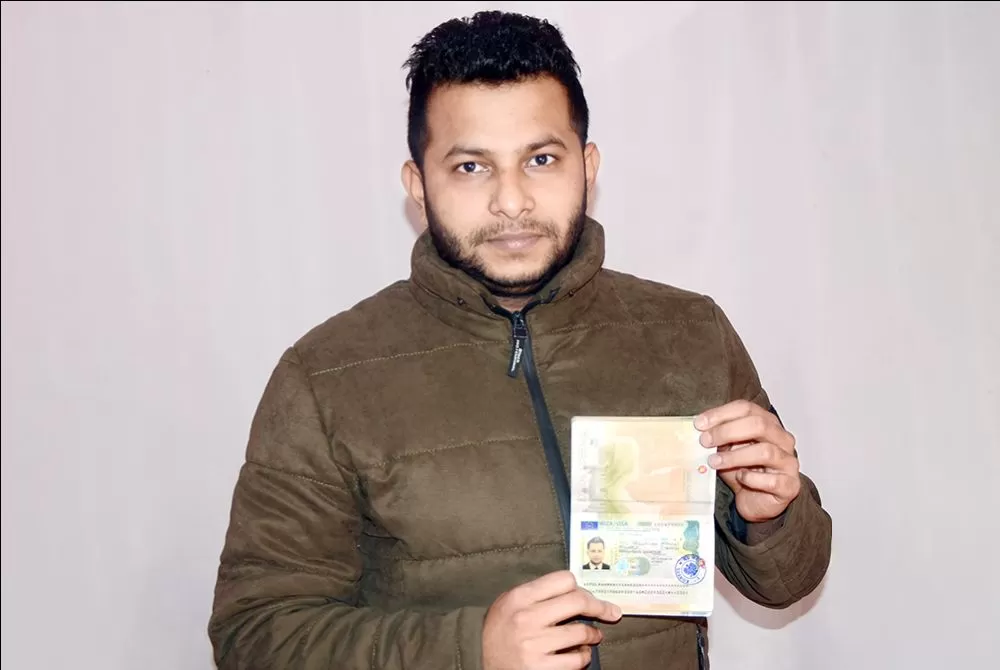
Global clients share how M2S Group helped them secure careers, work permits, and visas in Europe...


Why Choose M2S Group?
At M2S Group, we aim to help you become a true global citizen by providing exceptional support in your international career and immigration journey.
Read More



Get Started with M2S Group!
Our Platform
We connect institutions, employers, students, job seekers, and recruitment partners worldwide.

Employer
Are you recruiting skilled workers from the CIS, African, Asian regions, or other EU countries to work in Poland, Hungary, Lithuania, Slovakia, Estonia, Germany, and other EU nations? Partner with Moving2Europe.eu for efficient and reliable recruitment solutions.

Job seekers
Are you looking to work in Poland, Hungary, Lithuania, Slovakia, Estonia, Germany, or other EU countries? Could you let Moving2Europe. Can you connect with top employers and help with recruitment?

Recruitment Agency
Do you recruit prospective students and workers eager to study or work in Poland, Hungary, Lithuania, Slovakia, Estonia, Germany, or other EU countries? Join Moving2Europe.eu as a trusted Recruitment Partner and grow your network globally.
Do you have any questions?
We are here to help you explore opportunities to work and live in Europe. Our experts are ready to assist you with questions about job searching, obtaining a visa, recognising qualifications, and learning a European language. To learn more about contacting us, please click on one of the icons in the bar below.

Popular Features
Testimonials
Company
Essentials
Useful Links
Our Group
Copyright © 2026 Moving2Europe. All Rights Reserved.