Get Started with M2S Group!
We are a global platform connecting institutions, employers, students, job seekers, and recruitment partners.
Join Us Today:
Get in touch with us!
Jobs in Iceland – Work Permit, Visa, Salary & Hiring Guide
Iceland is a Nordic island nation and a member of the European Free Trade Association (EFTA) and the European Economic Area (EEA), situated in the North Atlantic Ocean between Greenland and Norway. With a population of approximately 390,000, Iceland is one of Europe's smallest nations yet punches far above its weight economically — holding one of the highest GDP per capita values in the world and consistently ranking at or near the very top of global indices for happiness, gender equality, quality of life, and human development. Iceland's economy is driven by fishing and fish processing, geothermal and renewable energy, tourism, aluminium smelting, pharmaceuticals, IT, and a growing creative and knowledge economy centred on Reykjavík.
Iceland is experiencing well-documented labour shortages across healthcare, construction, IT, tourism, fisheries, and renewable energy. Foreign nationals currently make up approximately 24% of Iceland's total workforce — one of the highest proportions of any European country — with the EURES labour market report identifying human health and social work as the sector with the highest vacancy rate in the country. Iceland is expected to create approximately 20,000–25,000 new job openings over the next decade due to industry expansion, demographic change, and consistent workforce shortfalls.
According to Statistics Iceland, average regular monthly earnings for full-time employees were ISK 845,000 — approximately €6,000 — in the most recently reported full year, with the median at ISK 753,000. Iceland has no statutory minimum wage — wages are instead set through collective bargaining agreements that cover approximately 90% of the workforce. The most widely referenced minimum under collective agreements is approximately ISK 513,000–515,000 per month for a full-time employee, as of the most recent collective agreements.
This guide covers everything you need to know about jobs in Iceland — including 40 verified shortage occupations with salary data, and a complete, accurate guide to the work permit, residence permit, and visa process based exclusively on official Icelandic government sources. Whether you are a job seeker, an employer, or a recruitment agency, Moving2Europe.eu is here to connect you with verified opportunities across Iceland and the wider European region.
Europe Job Market Overview
Europe is experiencing structural and sustained labour shortages driven by ageing populations, small domestic workforces, and economic growth that domestic labour supply cannot keep pace with. Iceland faces these challenges in their most concentrated form — a small nation of 390,000 people with one of the highest employment rates in the world and an economy that is simultaneously growing rapidly in tourism, clean energy, and technology.
Iceland's immigration framework is built around the principle of employer sponsorship — the employer applies on behalf of the worker, demonstrating that the role cannot be filled domestically or from within the EEA/EFTA area. The Directorate of Immigration — Útlendingastofnun — processes residence permits, while the Directorate of Labour — Vinnumálastofnun — issues work permits. Applications are submitted to the Directorate of Immigration, which forwards them to the Directorate of Labour.
For international job seekers, Iceland offers some of the highest wages in Europe, a 40-hour standard working week with 36 hours becoming increasingly common in the public sector, extraordinary natural beauty and quality of life, one of the world's most equal and progressive societies, and a genuinely multicultural workforce. For employers, the Work in Iceland portal is available at work. iceland.It provides structured guidance on all permit categories. For recruitment agencies, Iceland represents a premium and growing international hiring market.
Jobs in Iceland – Market Overview
Iceland's economy is built on several pillars that generate consistent, documented international demand for the workforce. Fishing and fish processing remain foundational industries, while geothermal and renewable energy are expanding rapidly. Tourism has grown dramatically, becoming a critical economic driver. Healthcare is under sustained demographic pressure. Construction and infrastructure continue at high levels. And a growing IT and shared services sector is generating demand for skilled technology professionals.
Key industries actively hiring international workers include:
Healthcare and Social Care: Healthcare is Iceland's most persistent shortage sector. The EURES labour market report consistently identifies human health and social work as the sector with the highest vacancy rate in the country. Nurses are in the most acute demand, followed by doctors — particularly specialists and general practitioners — physiotherapists, pharmacists, and mental health professionals. Foreign-trained healthcare workers who meet Icelandic licensing requirements have a realistic and well-supported path to employment.
Construction and Skilled Trades: Construction has historically had the most pronounced worker shortages of any sector in Iceland after healthcare. Major infrastructure investments, residential and commercial construction projects, and Iceland's sustained economic growth drive consistent demand for electricians, plumbers, carpenters, welders, bricklayers, roofers, and construction supervisors.
Information Technology: Iceland's IT sector contributes significantly to GDP and is projected to reach ISK 556.5 billion by a near-term forecast point. Software developers, IT system administrators, cybersecurity specialists, and data analysts are in documented shortage. Iceland's action plan explicitly identifies AI innovation as a national priority, generating growing demand for AI and machine learning specialists.
Tourism and Hospitality: Tourism has become one of Iceland's dominant industries, generating enormous and growing demand for chefs, hotel managers, front desk staff, housekeepers, tour guides, and restaurant workers. Demand is particularly acute during the summer season but increasingly extends year-round.
Fishing and Fish Processing: Iceland's fishing industry — one of the country's largest export sectors — generates consistent demand for fish processing workers, marine technicians, fisheries managers, and quality control specialists. Fish processing positions are among the most accessible for non-EEA workers without formal academic qualifications.
Renewable and Geothermal Energy: Iceland is a global leader in geothermal energy, and the country's ambitious green energy expansion is generating growing demand for geothermal engineers, renewable energy technicians, and environmental scientists.
Top Cities for Jobs in Iceland
Jobs in Reykjavík and the Capital Region
Reykjavík is Iceland's capital and the dominant economic and cultural centre of the country, with average gross monthly salaries in the capital region reaching approximately ISK 850,000 — approximately €6,000. The city is home to Iceland's most significant concentration of IT companies, financial institutions, healthcare facilities, government bodies, and international businesses. The capital region accounts for the majority of Iceland's total employment and offers the widest range of opportunities for both professional and skilled international workers.
IT professionals in Reykjavík earn ISK 800,000–1,800,000 or more gross per month. Engineers earn ISK 700,000–1,300,000. Healthcare professionals earn ISK 650,000–1,300,000. The city has a large and well-established international community, near-universal English proficiency, and a vibrant cultural and social scene.
Jobs in Akureyri
Akureyri is Iceland's second-largest town, situated in northern Iceland, and serves as the service centre for the country's north. The town offers employment in healthcare, education, tourism, fishing, and services. Salaries in Akureyri are competitive with a notably lower cost of living than Reykjavík. The town's university and regional hospital are significant employers.
Jobs in Ísafjörður, Selfoss, Egilsstaðir, and Regional Iceland
Regional Icelandic towns — including Ísafjörður in the Westfjords, Selfoss in the south, and Egilsstaðir in the east — offer employment in fishing, fish processing, tourism, construction, and healthcare. Many regional positions qualify for the Shortage of Labour permit category, as they cannot easily be filled from the domestic or EEA workforce. Average monthly salaries in regional Iceland are approximately ISK 675,000–700,000.
Job Opportunities in Iceland
Blue-Collar Jobs in Demand in Iceland
The following 20 blue-collar roles represent Iceland's most critical shortage occupations in skilled and trades sectors, based on verified data from Statistics Iceland, EURES Iceland, the Directorate of Labour, and the Work in Iceland portal at work.iceland.is. All 20 have documented workforce shortfalls.
| Job Title | Skills / Qualifications Required | Average Monthly Salary (ISK) | Top Hiring Locations |
|---|---|---|---|
| Nurse / Registered Nurse | Recognised nursing degree, valid Icelandic professional registration, and clinical experience | ISK 650,000 – 1,100,000 | Reykjavík, Akureyri, and regional health centres |
| Electrician | Recognised vocational electrical qualification, installation and safety certification | ISK 650,000 – 1,000,000 | Reykjavík, Akureyri |
| Plumber | Recognised vocational plumbing qualification, installation experience | ISK 630,000 – 980,000 | Reykjavík, Akureyri |
| Carpenter / Joiner | Recognised vocational carpentry qualification, construction experience | ISK 600,000 – 950,000 | Reykjavík, Akureyri |
| Bricklayer / Mason | Recognised masonry qualification or minimum 3 years documented site experience | ISK 600,000 – 940,000 | Reykjavík |
| Welder (MIG/TIG/MAG) | Recognised welding qualification, minimum 2 years experience | ISK 620,000 – 960,000 | Reykjavík, Akureyri |
| Painter and Decorator | Recognised painting qualification or minimum 2 years documented experience | ISK 580,000 – 900,000 | Reykjavík |
| Roofer | Recognised roofing qualification, ability to work safely at height | ISK 590,000 – 920,000 | Reykjavík |
| Truck Driver (Category C/CE) | Category C/CE licence, ADR certificate preferred, clean driving record | ISK 600,000 – 950,000 | Reykjavík, Iceland |
| Fish Processing Worker | Physical fitness, fish processing or food production experience | ISK 520,000 – 780,000 | Ísafjörður, Selfoss, Vestmannaeyjar, regional fishing towns |
| Chef / Cook | Recognised culinary qualification or minimum 3 years professional kitchen experience | ISK 580,000 – 920,000 | Reykjavík, Akureyri, tourist areas |
| Hotel Housekeeper / Room Attendant | Attention to detail, hygiene standards knowledge, and basic English | ISK 513,000 – 750,000 | Reykjavík, tourist areas |
| Construction Labourer | Physical fitness, basic construction site awareness, and safety training | ISK 513,000 – 750,000 | Reykjavík |
| HVAC / Heating and Ventilation Specialist | Recognised HVAC qualification, installation and commissioning experience | ISK 650,000 – 1,000,000 | Reykjavík |
| Caregiver / Elderly Care Worker | Care certificate or minimum 2 years documented care experience, basic Icelandic or English | ISK 530,000 – 780,000 | Reykjavík, Akureyri, and regional towns |
| Agricultural / Greenhouse Worker | Physical fitness, greenhouse or crop production experience, and seasonal availability | ISK 513,000 – 730,000 | South Iceland agricultural regions |
| Scaffolder | Scaffolding certification, physical fitness, and construction site experience | ISK 600,000 – 920,000 | Reykjavík |
| Forklift Operator / Warehouse Operative | Valid forklift licence, warehouse or logistics experience | ISK 550,000 – 820,000 | Reykjavík |
| Geothermal Plant Technician | Vocational or technical qualification, industrial plant maintenance experience | ISK 680,000 – 1,050,000 | Reykjavík, Suðurnes, Akureyri |
| Marine / Fisheries Technician | Marine technology qualification or minimum 2 years of fisheries industry experience | ISK 620,000 – 980,000 | Reykjavík, Akureyri, fishing ports |
Register as a Truck Driver → Browse Welder Opportunities →
White-Collar Jobs in Demand in Iceland
The following 20 white-collar roles represent Iceland's most critical shortage occupations in professional and highly skilled sectors, based on verified data from Statistics Iceland, EURES Iceland, the Directorate of Labour, and OECD skills forecasts.
| Job Title | Skills / Qualifications Required | Average Monthly Salary (ISK) | Top Hiring Locations |
|---|---|---|---|
| Software Developer / Engineer | Degree or equivalent, proficiency in Python, Java, C#, JavaScript, or Go | ISK 800,000 – 1,800,000+ | Reykjavík |
| Cybersecurity Specialist | IT security degree or certification, threat detection and system protection experience | ISK 850,000 – 1,800,000 | Reykjavík |
| Data Scientist / AI Specialist | Degree in IT, mathematics, or statistics, proficiency in Python and ML frameworks | ISK 850,000 – 1,900,000 | Reykjavík |
| IT Systems Administrator | IT qualification, network management and server administration experience | ISK 650,000 – 1,200,000 | Reykjavík |
| Civil / Structural Engineer | Degree in civil engineering, infrastructure or building project experience | ISK 750,000 – 1,300,000 | Reykjavík |
| Electrical Engineer | Degree in electrical engineering, power systems or renewable energy experience | ISK 750,000 – 1,350,000 | Reykjavík |
| Mechanical Engineer | Degree in mechanical engineering, industrial or energy sector experience | ISK 750,000 – 1,300,000 | Reykjavík |
| Geothermal / Renewable Energy Engineer | Degree in energy, electrical, or environmental engineering, with geothermal project experience | ISK 800,000 – 1,500,000 | Reykjavík, Suðurnes |
| Doctor / Medical Specialist | Medical degree, valid specialisation certificate, Icelandic medical council registration | ISK 750,000 – 1,300,000+ | Reykjavík, Akureyri, and regional hospitals |
| Physiotherapist | Physiotherapy degree, valid Icelandic professional registration, and rehabilitation experience | ISK 650,000 – 1,000,000 | Reykjavík, Akureyri |
| Pharmacist | Pharmacy degree, valid Icelandic professional registration, and pharmaceutical knowledge | ISK 680,000 – 1,050,000 | Reykjavík, Akureyri |
| Psychologist / Mental Health Professional | Psychology degree, valid professional registration, and clinical experience | ISK 680,000 – 1,100,000 | Reykjavík, Akureyri |
| Teacher (STEM / Vocational) | Recognised teaching qualification, STEM or vocational subject expertise | ISK 600,000 – 1,000,000 | Reykjavík, Akureyri, and regional schools |
| Financial Analyst / Accountant | Degree in finance or accounting, ERP and financial analysis experience | ISK 700,000 – 1,200,000 | Reykjavík |
| Project Manager (Construction / Energy) | PMP or equivalent certification, minimum 3 years of project management experience | ISK 800,000 – 1,500,000 | Reykjavík |
| Logistics / Supply Chain Manager | Degree in logistics or business, procurement and supply chain experience | ISK 700,000 – 1,200,000 | Reykjavík |
| Hotel / Tourism Manager | Hospitality management degree or minimum 5 years of management experience, and English proficiency | ISK 700,000 – 1,300,000 | Reykjavík, tourist regions |
| Marine Biologist / Fisheries Scientist | Degree in marine biology, oceanography, or fisheries science | ISK 720,000 – 1,200,000 | Reykjavík, Akureyri |
| Environmental Scientist | Degree in environmental science, ecology, or earth sciences, and sustainability project experience | ISK 700,000 – 1,200,000 | Reykjavík |
| Kindergarten / Early Childhood Teacher | Recognised early childhood education qualification, Icelandic language skills preferred | ISK 580,000 – 900,000 | Reykjavík, Akureyri, and regional towns |
Register as a Healthcare Worker → Explore All Opportunities →
Salary in Iceland
Iceland offers some of the highest wages in Europe, with salaries set exclusively through collective bargaining agreements rather than a statutory minimum wage. Approximately 90% of the Icelandic workforce is covered by collective agreements, making Iceland's effective wage floor one of the highest in the world.
According to Statistics Iceland, average regular monthly earnings for full-time employees were ISK 845,000 — approximately €6,000 — in the most recently reported full year, with the median at ISK 753,000. The most widely referenced floor under collective agreements is approximately ISK 513,000–515,000 per month for full-time employees. Reykjavík pays an average of approximately ISK 850,000 gross per month. The IT and technology sector and senior management roles pay significantly above average — directors and chief executives averaged over ISK 2,400,000 per month. Gross average earnings in Iceland — at approximately €6,184 per month — are nearly double the EU27 average of €3,417.
An important additional incentive for expert workers: only 75% of the income earned as a foreign expert is taxed for the first three years of work in Iceland, provided certain conditions are met. This tax incentive is available through the Icelandic Centre for Research and must be applied for within three months of commencing work.
| Sector | Role | Average Monthly Salary (ISK) |
|---|---|---|
| Information Technology | Software Developer | ISK 800,000 – 1,800,000+ |
| Information Technology | Data Scientist / AI Specialist | ISK 850,000 – 1,900,000 |
| Healthcare | Registered Nurse | ISK 650,000 – 1,100,000 |
| Healthcare | Doctor / Medical Specialist | ISK 750,000 – 1,300,000+ |
| Engineering | Civil / Structural Engineer | ISK 750,000 – 1,300,000 |
| Renewable Energy | Geothermal Engineer | ISK 800,000 – 1,500,000 |
| Construction and Trades | Electrician | ISK 650,000 – 1,000,000 |
| Construction and Trades | Welder | ISK 620,000 – 960,000 |
| Fisheries | Fish Processing Worker | ISK 520,000 – 780,000 |
| Finance | Financial Analyst / Accountant | ISK 700,000 – 1,200,000 |
| Tourism and Hospitality | Hotel / Tourism Manager | ISK 700,000 – 1,300,000 |
Work Permit Process in Iceland
Two authorities manage Iceland's work permit and residence system for non-EEA/EFTA nationals. The Directorate of Immigration — Útlendingastofnun — at utl. is processing residence permit applications. The Directorate of Labour — Vinnumálastofnun — at vinnumalastofnuItis reviews and issues work permits. The official information portal is work.iceland.The official government services portal is an island. is.
Iceland is an EFTA and EEA member but not a member of the European Union. EE,d EFT,s and Nordic citizens may work freely in Iceland without a permit, though they must register with Registers Iceland if staying longer than three months. Non-EEA/EFTA nationals require both a work permit and a separate residence permit.
Types of Work Permits for Non-EEA/EFTA Nationals
- Shortage of Labour (Fækkun á vinnuafli): For positions in industries experiencing documented shortages where neither Icelandic nor EEA/EFTA candidates are available. This is the most commonly used category for skilled trades, fish processing, and service roles.
- Expert Knowledge (Sérfræðiþekking): For qualified professionals with university-level education or recognised specialist training who bring expertise not readily available domestically. Includes a 25% income tax exemption on the first three years of earnings.
- Athletes: For professional athletes and coaches joining clubs affiliated with the Icelandic Sports Federation.
- Collaboration or Service Contract (Samstarfs- eða þjónustusamningur): For employees of foreign companies performing temporary specialised work in Iceland under a service agreement.
Important Rules for Non-EEA/EFTA Workers
Non-EEA/EFTA nationals may not be self-employed in Iceland — only salaried employment is permitted under a work permit. All employment contracts must meet the terms of the applicable collective agreement. Contracts with less favourable terms than collective agreements are considered invalid. Work permits are employer-specific — a change of employer requires a new work permit application, which must be granted before the worker begins at the new employer.
Step-by-Step Work Permit Process
Step 1 – Secure a Confirmed Employment Contract. The process begins with a signed employment contract from a legally registered Icelandic employer. The contract must meet the terms of the relevant collective agreement. The employer — not the worker — submits the work permit application.
Step 2 – Employer Submits the Combined Application to the Directorate of Immigration.n The employer submits the combined application package — including both the residence permit application and the work permit documentation — to the Directorate of Immigration. Applications are paper-based and submitted by mail, drop-off, or in person. The application must be submitted and approved before the worker arrives in Iceland.
Step 3 – Directorate of Immigration Reviews the Residence Permit Conditions. The Directorate of Immigration reviews whether the conditions for issuing a residence permit are met, including proof of accommodation, financial means, and a clean criminal record.
Step 4 – Application Forwarded to the Directorate of Labour. If the Directorate of Immigration finds that the conditions for the residence permit are met, it forwards the application to the Directorate of Labour. The Directorate of Labour reviews the employment conditions — confirming the salary meets the collective agreement, the employer is compliant with tax and social security obligations, and the shortage of labour or expert knowledge conditions are satisfied. A decision must be issued within two months of receipt.
Step 5 – Work and Residence Permits Issued. If approved, the Directorate of Labour issues the work permit. The Directorate of Immigration issues the residence permit. The first work permit is generally issued for one year. If there are no issues with wages or tax compliance, the permit may be renewed for two years at a time.
Step 6 – Worker Travels to Iceland. Citizens of countries that require a visa must obtain one before travel — Iceland follows Schengen short-stay visa rules.
Step 7 – Register in Person Within One Week of Arrival. Within one week of arriving in Iceland, the worker must appear in person at the Directorate of Immigration in Reykjavík — or at a district commissioner's office outside the capital region — to be photographed and registered.
Step 8 – Register with Registers Iceland and obtain a Kennitala — Icelandic national identity number — required for all employment, banking, and administrative purposes.
Employers ready to begin the international hiring process can register here →
Work Visa Process in Iceland
Iceland is a Schengen Area member. Nationals of Schengen visa-required countries must obtain a short-stay Schengen visa to enter Iceland for permit collection purposes. The Directorate of Immigration publishes all visa information at utl. is and the Ministry for Foreign Affairs of Iceland at mfa. is.
Step 1 – Confirm Visa Requirements for Your Nationality. Visit utl .is to confirm whether your nationality requires a Schengen short-stay visa to enter Iceland. Iceland follows standard Schengen entry rules.
Step 2 – Employer Submits the Work and Residence Permit Application First. The work permit and residence permit must be applied for and approved before the worker travels to Iceland. The employer submits the combined application to the Directorate of Immigration, which then forwards the work permit elements to the Directorate of Labour.
Step 3 – Obtain a Schengen Visa if required. If your nationality requires a Schengen visa, apply for a short-stay visa at the nearest Icelandic diplomatic mission or an embassy representing Iceland in your country after the work and residence permit has been approved.
Step 4 – Travel to Iceland and Register Within One Week. Travel to Iceland after the permits are approved and the visa — if required — is obtained. Within one week of arrival, attend the Directorate of Immigration in person to be photographed and complete registration.
Step 5 – Register and Obtain the Kennitala Register your residential address with Registers Iceland and obtain your kennitala. This is required for all administrative, employment, banking, and social insurance purposes.
Embassy Guidance
Use the Work in Iceland Portal for All Work Permit Information: The official information portal for working in Iceland — work. Iceland— provides complete guidance on all work permit categories, required documents, the application process, and processing timelines.
The Employer Must Submit the Application — Not the Worker: Under Icelandic law, the employer is responsible for applying for the work permit. The worker cannot submit a work permit application independently. The employer must not allow the worker to begin working before the permit is granted.
The Application Must Be Approved Before the Worker Arrives in Iceland: The residence permit and work permit must be applied for and approved before the worker travels to Iceland. Entering Iceland and commencing work without a permit is illegal and can result in fines, deportation, and a future entry ban.
Permits Are Employer-Specific — Changing Employer Requires a New Permit: If the worker changes employer, the new employer must apply for a new work permit and receive approval before the worker begins at the new workplace.
All Employment Contracts Must Meet Collective Agreement Terms: Iceland's collective agreements are legally binding for all employees, including non-EEA workers. Contracts that specify less favourable terms than the applicable collective agreement are invalid.
Foreign Experts Benefit From a 25% Tax Exemption for the First Three Years: Workers qualifying for the Expert Knowledge permit category are taxed on only 75% of their income for the first three years of work in Iceland. This application must be made within three months of commencing work through the Icelandic Centre for Research.
Register in Person Within One Week of Arrival: Within one week of arriving in Iceland, the worker must appear in person at the Directorate of Immigration or a district commissioner's office to be photographed and registered.
Required Documents
The following documents are required for a work permit and residence permit application in Iceland, based on official requirements from the Directorate of Immigration at utl. is and the Work in Iceland portal at work.iceland.is.
| # | Document | Details |
|---|---|---|
| 1 | Valid Passport | Must be valid for the full duration of the intended stay. |
| 2 | Completed Application Form | For the appropriate work permit category — Shortage of Labour, Expert Knowledge, Collaboration, or Athletes. |
| 3 | Employment Contract | Signed contract meeting the applicable collective agreement terms, specifying role, salary, working hours, and conditions. |
| 4 | Proof of Professional Qualifications | Degree certificates, vocational qualifications, professional licences, or documented expert experience relevant to the role. |
| 5 | Employer Documentation | Company registration details, confirmation of tax and social security compliance, and documentation demonstrating the employer's good standing. |
| 6 | Labour Market Evidence | For Shortage of Labour permits: evidence that the employer attempted to recruit domestically and within the EEA/EFTA without success. |
| 7 | Police Clearance Certificate | Clean criminal record from the home country and any country of significant previous residence. |
| 8 | Proof of Accommodation | Confirmed address or rental agreement in Iceland. |
| 9 | Health Insurance | Valid comprehensive health insurance covering Iceland for the duration of the permit. |
| 10 | Passport-Sized Photographs | Meeting the Directorate of Immigration specifications. |
| 11 | Processing Fee | Paid by bank transfer—receipt included with the application. Confirm the current fee at UUTL. |
Always verify current requirements at utl. is and work .iceland.is before submitting.
How to Avoid Rejection
Worker Commences Work Before the Permit is Granted: It is a serious legal violation for a worker to begin employment before both the residence permit and work permit have been issued. This can result in fines or imprisonment of up to 2 years for both the employer and the worker.
Application Submitted After the Worker's Arrival in Iceland: The residence and work permit application must be submitted and approved before the worker arrives in Iceland. Applications submitted after arrival — except in narrow exemptions for visa-free nationals applying for the first time — are not accepted.
Employment Contract Below the Collective Agreement Standard: All employment contracts must meet the terms of the applicable collective agreement for the sector and role. Contracts specifying lower wages or fewer benefits than the collective agreement are legally invalid.
Employer Has Not Demonstrated Labour Market Test: For Shortage of Labour permit applications, the employer must provide evidence of attempts to recruit domestically and within the EEA/EFTA area without success. Insufficient evidence leads to refusal.
Failure to Register in Person Within One Week of Arrival: The worker must attend the Directorate of Immigration or the district commissioner's office in person within one week of arriving in Iceland to be photographed and registered.
Changing Employer Without Obtaining a New Permit: The work permit is employer-specific. The worker must not change employers without the new employer first applying for and receiving a new work permit.
Hiring Foreign Workers in Iceland
Iceland urgently needs international workers across healthcare, construction, IT, fisheries, tourism, and renewable energy. With foreign nationals already making up 24% of the workforce and documented shortfalls across key sectors, employers who build structured international hiring pipelines access a wider talent pool and gain a decisive competitive advantage.
Why Hire International Workers in Iceland? Iceland's small domestic labour market makes international recruitment structurally necessary across multiple key sectors. The Work in Iceland portal at work. iceland provideguidance for employersoyer guidance. The Shortage of Labour permit category provides a transparent route for most blue-collar and trades roles. The Expert Knowledge route provides a tax-advantaged pathway for specialist and professional hires.
How to Begin the Hiring Process
Step 1 – Register as an Employer on Moving2Europe.eu Create your employer profile, specify your sector, required roles, and workforce needs. Register as an Employer →
Step 2 – Confirm the Correct Work Permit Category. Visit work. iceland.is to confirm whether the role qualifies under Shortage of Labour or Expert Knowledge, and gather the required documentation.
Step 3 – Conduct the Labour Market Test. Advertise the role domestically and within the EEA/EFTA area and document the recruitment attempts. This evidence is required for the Shortage of Labour permit application.
Step 4 – Issue a Signed Employment Contract. Issue a contract meeting the applicable collective agreement terms.
Step 5 – Submit the Combined Application to the Directorate of Immigration. Submit the full application package before the worker travels. Ensure all employer documentation is complete to avoid processing delays.
Step 6 – Support Post-Arrival Registration:n Assist the worker in attending the Directorate of Immigration within one week of arrival and in registering with Registers Iceland to obtain the kennitala.
How Job Seekers Can Apply
Step 1 – Check Work Permit Eligibility and Category Visit work .iceland.is to identify which permit category applies to your role and qualifications.
Step 2 – Prepare Your Documents: ts Gather your passport, qualification certificates, police clearance certificate, and health insurance. Ensure all documents are current and meet Icelandic requirements.
Step 3 – Register on Moving2Europe.eu
- Register as a Truck Driver →
- Register as a Welder →
- Register as a Healthcare Worker →
- Explore All Opportunities →
Step 4 – Apply for Available Positions Browse verified job listings and apply to positions that match your qualifications and experience.
Step 5 – Your Employer Submits the Work and Residence Permit Application.ion Once you have a confirmed employment contract, your employer submits the combined application to the Directorate of Immigration before your departure.
Step 6 – Travel to Iceland and Register Within One Week After permit approval, travel to Iceland. Attend the Directorate of Immigration in person within one week of arrival. Register with Registers Iceland and obtain your kennitala.
Recruitment Agencies & Partnerships
Moving2Europe.eu collaborates with international recruitment agencies, workforce supply companies, and staffing partners to build a consistent, reliable pipeline of pre-screened, work-ready candidates for employers across Iceland and the wider European region.
For agencies operating in Asia, Africa, the Middle East, or Eastern Europe, a partnership with Moving2Europe.eu provides direct access to a growing network of verified Icelandic employers actively seeking international talent across healthcare, construction, IT, fisheries, tourism, and renewable energy.
Why Partner with Moving2Europe.eu?
- Access to a verified network of Icelandic employers actively hiring across all major shortage sectors
- A structured, transparent matching process aligned with Iceland's work permit requirements
- Compliance support across the Shortage of Labour and Expert Knowledge permit categories
- Long-term business development opportunities as Iceland's international workforce demand continues to grow
- A trusted, professional platform built on transparency and accountability
Register as a Recruitment Partner →
Declaration
Moving2Europe.eu provides information on jobs, work permits, visas, and international hiring strictly for guidance purposes only. We do not guarantee job placement, work permit approval, or visa issuance under any circumstances.
All applications, hiring decisions, and approvals are subject to individual employer requirements, applicable immigration laws, and the final decision of the respective country's embassy or government authorities.
Users are strongly advised to independently verify all information, ensure the accuracy of their documents, and follow official procedures before submitting any application.
Who can apply for jobs in Iceland as a foreign worker?
Who is eligible to work in Iceland and what the work and residence permit requirements mean for non-EEA nationals. EEA, EFTA, and Nordic citizens may work freely in Iceland without a work permit, though they must register with Registers Iceland after three months. Non-EEA and non-EFTA nationals require both a work permit — issued by the Directorate of Labour — and a separate residence permit — issued by the Directorate of Immigration. The employer must apply for both before the worker arrives in Iceland. Non-EEA nationals may not be self-employed in Iceland — only salaried employment is permitted.- Who can apply for jobs in Iceland as a foreign worker?
-
Who is eligible to work in Iceland and what the work and residence permit requirements mean for non-EEA nationals.
EEA, EFTA, and Nordic citizens may work freely in Iceland without a work permit, though they must register with Registers Iceland after three months. Non-EEA and non-EFTA nationals require both a work permit — issued by the Directorate of Labour — and a separate residence permit — issued by the Directorate of Immigration. The employer must apply for both before the worker arrives in Iceland. Non-EEA nationals may not be self-employed in Iceland — only salaried employment is permitted.
- What are the types of work permits available in Iceland for non-EEA nationals?
-
Iceland's four work permit categories, and which type applies to different roles and qualifications.
Iceland offers four work permit categories for non-EEA nationals. The Shortage of Labour permit is for roles where no suitable Icelandic or EEA/EFTA candidate is available and is the most common category for trades and service roles. The Expert Knowledge permit is for professionals with university-level education or recognised specialist expertise — this route includes a 25% tax exemption for the first three years. The Athletes permit is for professional athletes and coaches. The Collaboration or Service Contract permit is for employees of foreign companies performing specialised temporary work in Iceland.
- How does the work permit application process work in Iceland?
-
Who submits the application, where it is submitted, and what the key steps are.
The employer — not the worker — is responsible for submitting the work permit application in Iceland. The employer submits the combined application package to the Directorate of Immigration, which reviews the residence permit conditions and forwards the application to the Directorate of Labour for a decision on the work permit. The application must be submitted and approved before the worker travels to Iceland. A decision must be issued within two months of receipt of a complete application.
- How long does it take to get a work permit in Iceland?
-
Processing timelines for work and residence permit applications, and how to plan effectively.
Most work-based residence permit applications take approximately six to twelve weeks once the Directorate of Immigration receives a complete application. The Directorate of Immigration reviews the residence permit conditions before forwardingthem to the Directorate of Labour, which then issues a decision within a maximum of two months from receipt. Incomplete applications significantly delay processing. The first permit is generally issued for one year and may be renewed for two years at a time if wage and tax compliance is maintained.
- What are the most in-demand jobs in Iceland for foreign workers?
-
Which roles and sectors are actively recruiting international workers in Iceland right now?
Healthcare has the highest vacancy rate of any sector in Iceland — nurses, doctors, physiotherapists, pharmacists, and mental health professionals are in persistent shortage. Construction faces acute shortages of electricians, plumbers, carpenters, welders, and bricklayers. IT professionals — including software developers, cybersecurity specialists, and data scientists — are in documented shortage. Tourism generates consistent demand for chefs, hotel managers, and hospitality staff. Fisheries need fish processing workers and marine technicians. Renewable energy is generating a growing demand for geothermal and energy engineers. Full details are in the shortage occupation tables above.
- What is the average salary in Iceland?
-
Verified salary data from Statistics Iceland across key sectors and cities.
According to Statistics Iceland, average regular monthly earnings for full-time employees were ISK 845,000 — approximately €6,000 — in the most recently reported full year. The median was ISK 753,000. Reykjavík pays an average of approximately ISK 850,000 gross per month. IT and senior management roles pay significantly above average. Iceland has no statutory minimum wage — the most widely referenced floor under collective agreements is approximately ISK 513,000–515,000 per month. Gross average earnings in Iceland at approximately €6,184 per month are nearly double the EU27 average.
- What is the minimum wage in Iceland?
-
Iceland's collective agreement wage floor system and what it means for international workers.
Iceland has no statutory minimum wage. Wages are set exclusively through collective bargaining agreements negotiated between trade unions — primarily ASÍ — and employer associations. Approximately 90% of the Icelandic workforce is covered by collective agreements. The most widely referenced floor under collective agreements is approximately ISK 513,000–515,000 per month for full-time employees. All employment contracts for non-EEA workers must meet the terms of the applicable collective agreement. Contracts specifying less favourable terms are legally invalid.
- What is the 25% tax exemption for foreign expert workers in Iceland?
-
Iceland's income tax incentive for Expert Knowledge permit holders, and how to apply for it.
Workers who qualify for the Expert Knowledge work permit category benefit from a significant tax incentive — only 75% of their income is subject to tax for the first three years of work in Iceland, provided certain conditions are met. This applies exclusively to the Expert Knowledge permit category, not the Shortage of Labour or other routes. The application for this tax exemption must be submitted to the Icelandic Centre for Research within three months of commencing work in Iceland. This incentive makes Iceland particularly attractive for highly qualified international professionals.
- Do I need to speak Icelandic to work in Iceland?
-
What language requirements apply, and where is English widely used?
Icelandic is required for most healthcare, education, public sector, and customer-facing roles. English is widely used in IT, tourism, financial services, research, and multinational business environments — particularly in Reykjavík. Many technology companies and international businesses operate entirely in English. Fish processing, construction, and some manufacturing roles can be performed with basic English communication. Learning Icelandic significantly improves long-term integration and career prospects.
- Can my family join me if I work in Iceland?
-
Family reunification options for work permit holders in Iceland.
Yes. Spouses and cohabiting partners of workers holding a valid work permit in Iceland may apply for a residence permit on the grounds of family ties. Their children under 18 may also be included. Family members who wish to work must confirm their work rights with the Directorate of Immigration — spouses of Expert Knowledge permit holders may generally work without a separate work permit. Confirm current requirements at UTL before applying.
- How does Moving2Europe?eu help job seekers find work in Iceland?
-
How Moving2Europe.eu connects international candidates with verified Icelandic employers.
Moving2Europe.eu connects international job seekers with verified Icelandic employers across healthcare, construction, IT, fisheries, tourism, and renewable energy. Job seekers register their professional profiles, browse verified employer-sponsored opportunities, and receive structured guidance throughout the Directorate of Immigration and the Directorate of Labour permit application process.
- How can employers in Iceland use Moving2Europe.eu to hire international workers?
-
How Icelandic employers can efficiently and compliantly access pre-screened international candidates.
Employers register on the platform, define their specific role requirements, and are matched with pre-screened international candidates. Moving2Europe.eu supports employers throughout the recruitment process and facilitates connections with immigration professionals familiar with Iceland's Shortage of Labour and Expert Knowledge permit requirements.
- What documents are required for an Icelandic work permit application?
-
A complete checklist of all documents needed to apply successfully under Iceland's current rules.
Required documents include a valid passport, completed application form for the appropriate permit category, signed employment contract meeting collective agreement standards, proof of professional qualifications, employer company documentation and tax compliance evidence, labour market test evidence for Shortage of Labour applications, police clearance certificate, proof of accommodation in Iceland, health insurance, and passport photographs. The processing fee is paid by bank transfer. Always verify current requirements at utl. is and work .iceland.is before submitting.
- Can recruitment agencies partner with Moving2Europe.eu for placements in Iceland?
-
How agencies can collaborate with Moving2Europe.eu to place international workers in Iceland.
Yes. Recruitment agencies and workforce supply companies can register as official partners through the Moving2Europe.eu partner portal. Partners gain access to verified employer opportunities in Iceland across all major shortage sectors and receive compliance support aligned with Iceland's Shortage of Labour and Expert Knowledge work permit requirements. Register as a Recruitment Partner →
- How do I avoid having my Icelandic work permit application rejected?
-
The most common reasons for rejection and the steps you can take to protect your application.
Ensure the employer — not the worker — submits the application. Submit the application and obtain approval before the worker travels to Iceland. Ensure the employment contract meets the applicable collective agreement terms. For Shortage of Labour permits, provide documented evidence of recruitment attempts within Iceland and the EEA/EFTA. Attend the Directorate of Immigration in person within one week of arriving in Iceland. Do not commence work before both the residence permit and work permit have been granted. Confirm with the new employer and obtain a new work permit before changing employers.
Looking for inspiration
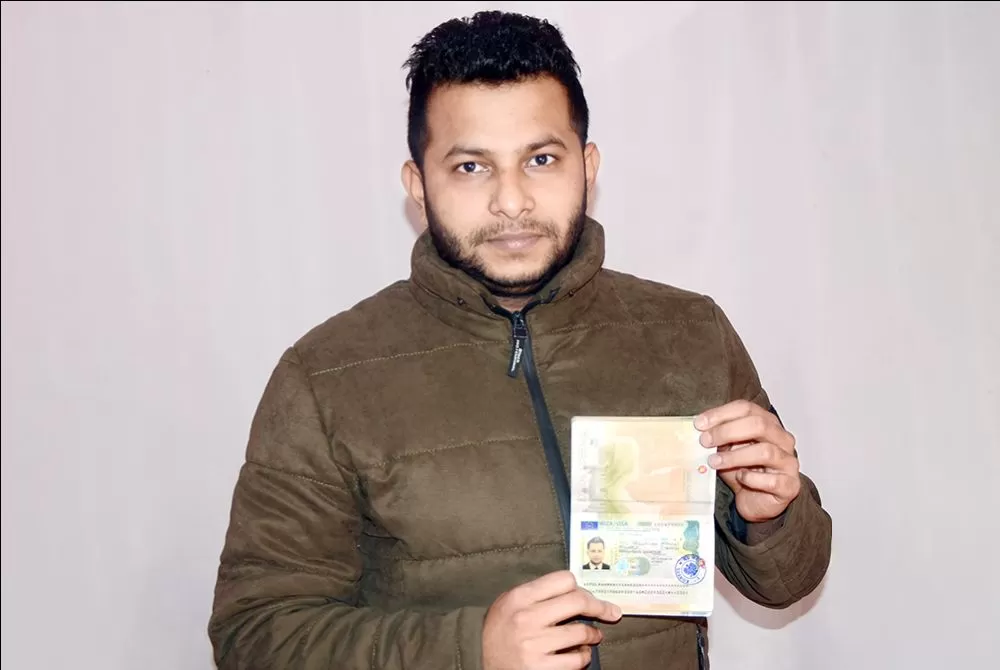
Global clients share how M2S Group helped them secure careers, work permits, and visas in Europe...


Why Choose M2S Group?
At M2S Group, we aim to help you become a true global citizen by providing exceptional support in your international career and immigration journey.
Read More



Get Started with M2S Group!
Our Platform
We connect institutions, employers, students, job seekers, and recruitment partners worldwide.

Employer
Are you recruiting skilled workers from the CIS, African, Asian regions, or other EU countries to work in Poland, Hungary, Lithuania, Slovakia, Estonia, Germany, and other EU nations? Partner with Moving2Europe.eu for efficient and reliable recruitment solutions.

Job seekers
Are you looking to work in Poland, Hungary, Lithuania, Slovakia, Estonia, Germany, or other EU countries? Could you let Moving2Europe. Can you connect with top employers and help with recruitment?

Recruitment Agency
Do you recruit prospective students and workers eager to study or work in Poland, Hungary, Lithuania, Slovakia, Estonia, Germany, or other EU countries? Join Moving2Europe.eu as a trusted Recruitment Partner and grow your network globally.
Do you have any questions?
We are here to help you explore opportunities to work and live in Europe. Our experts are ready to assist you with questions about job searching, obtaining a visa, recognising qualifications, and learning a European language. To learn more about contacting us, please click on one of the icons in the bar below.

Popular Features
Testimonials
Company
Essentials
Useful Links
Our Group
Copyright © 2026 Moving2Europe. All Rights Reserved.